A Turning Point for Global Forest Strategies
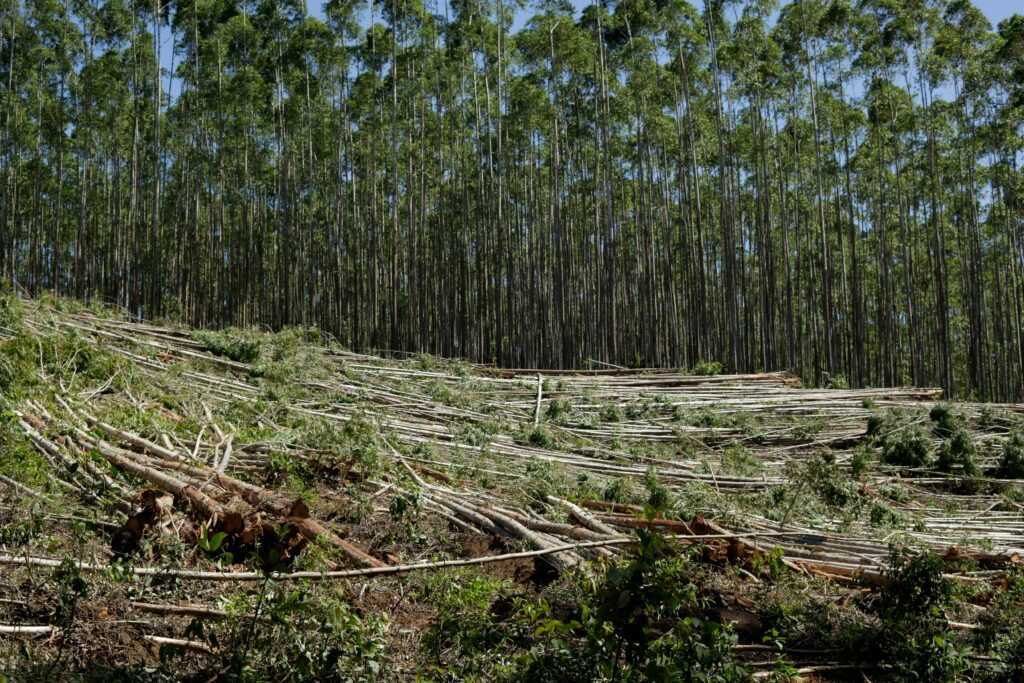
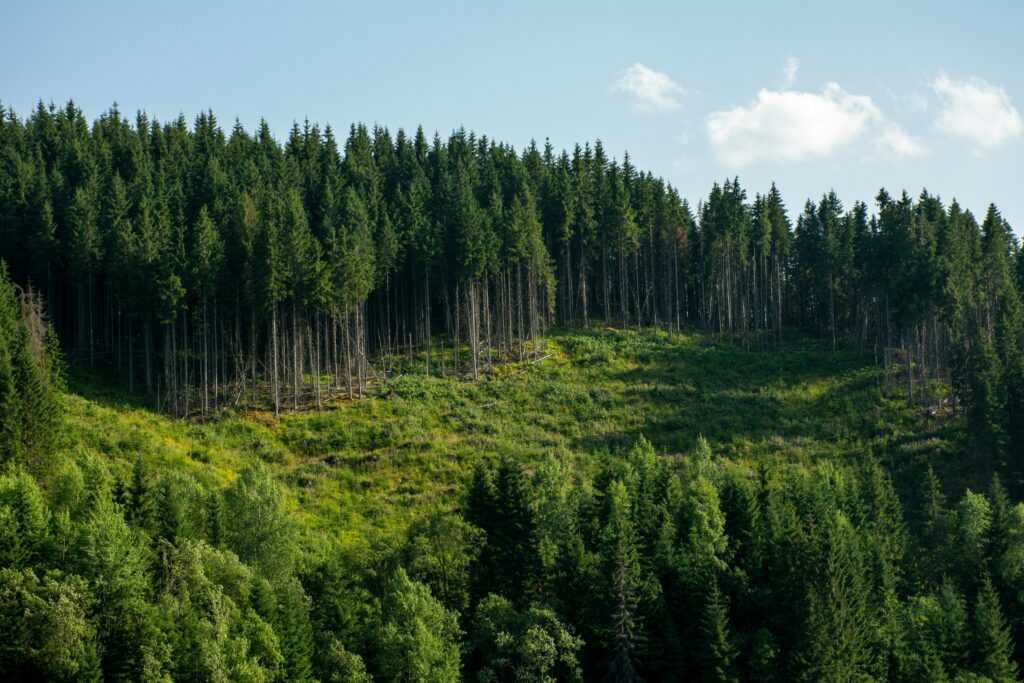
2026 isn’t just another milestone on climate calendars it’s a clean break from how things have been done. Several high profile enforcement clauses in recent international agreements are kicking in, shifting climate policies from soft targets to hard requirements. Countries can no longer delay, and that’s rattling industries and pushing conservation to the front of the line.
The big headline? A new global framework for carbon offset verification. Unlike the patchwork systems of the past, this one’s built to be consistent and transparent. Forest conservation projects, especially in developing regions, will be held to clearer standards. Credits that once floated on vague baselines now have to meet tougher auditing and permanence rules.
On the money side, conservation funding is evolving fast. Governments are reworking climate finance tools to make sure funds actually reach on ground ecosystems and stay there. Blended finance models are gaining steam: public capital unlocking private investment, with measurable environmental returns baked in. It’s less about charity, more about performance.
Put simply, 2026 is when talk becomes consequence. If forests are part of the solution, they’re also about to be part of the scoreboard.
Tighter Regulations, Bigger Opportunities
In 2026, stricter land use reporting rules are shifting how forest conservation gets tracked and enforced. Governments are rolling out mandatory, verifiable disclosures on deforestation rates often powered by satellite imaging and AI analysis. For corporations, vague sustainability claims are no longer enough. Regulators want data. Transparent, hard numbers that show what’s being preserved or lost.
But the stick is being matched with carrots. Indigenous communities are being recognized as key stewards of forest ecosystems. New incentives, including direct funding, land rights protections, and co management agreements, are helping move conservation from theory to practice. These policies aren’t just symbolic. They’re restructuring who holds power on the front lines of forest protection.
Meanwhile, the public private line is getting blurrier. Corporations, especially those under pressure to hit net zero targets, are entering long term forest partnerships. Whether through carbon offset initiatives or supply chain commitments, big players are teaming up with NGOs and local authorities in ways that cut across old boundaries. It’s less about who owns the land and more about who’s responsible for what happens on it.
Forests Front and Center in Climate Action
Forests are no longer seen as just part of the environmental equation they are now central to global climate strategies in 2026. As new climate policies take hold, the role of forest ecosystems in mitigating climate change is being recognized more formally and funded more consistently.
Forests as Carbon Sinks
Forest ecosystems are among the most effective natural carbon sinks on the planet. With the ability to absorb vast amounts of carbon dioxide,
mature forests and restored woodlands are now viewed as essential allies in meeting emission reduction targets.
Primary and old growth forests receive priority status due to their long term storage capabilities
Protection efforts are expanding for tropical and boreal forests, which play outsized roles in global carbon cycles
Reforestation Becomes a Core Solution
Reforestation has moved from a supplementary tactic to a foundational pillar in global climate mitigation plans.
Governments, NGOs, and corporations are investing in large scale planting initiatives with measurable carbon offset goals.
Reforestation targets are now included in many national climate pledges
Science backed approaches are replacing quick fix tree planting campaigns
Native species and ecosystem restoration drive long term success
From Trees to Systems: Growing Focus on Biodiversity
There is an increasing shift from viewing forests simply as carbon sponges to understanding their full ecological value. Biodiversity and ecosystem health are being prioritized for their combined climate and resilience benefits.
Funding is tied to biodiversity metrics, not just carbon numbers
Forest maintenance includes fauna support, water systems, and pollinator habitats
Resilient ecosystems are proving more adaptive to climate stressors
Explore the deeper role of forests in climate combat.
In 2026, putting forests at the center of climate policy means addressing deforestation, funding regeneration, and elevating nature based solutions with measurable impact.
Impact on Local Communities

Sustainable forest policies aren’t just about trees they directly shape the lives of the people who live closest to them. In many rural regions, policies that aim to reduce deforestation or promote reforestation cut both ways. On the one hand, they can create new income streams through conservation work, eco tourism, or payments for ecosystem services. On the other, they can restrict how land is used, access to forest products, or traditional farming practices that families have relied on for generations.
This is where training and technology come into play. Local communities need more than good intentions they need tools. Programs that offer satellite data access, mobile monitoring apps, or hands on training in climate smart agriculture make it easier for people to adapt. When paired with funding that actually reaches the ground rather than getting stuck in bureaucracy it opens doors for sustainable livelihoods that don’t come at the forest’s expense.
But there’s a catch: land rights. Without clear and enforceable rights, especially for indigenous and minority communities, well meaning policies can backfire. In some regions, conservation designations have led to forced relocations or reduced access to ancestral lands. True sustainability won’t happen without equity built into policy design from the start.
Bottom line: protecting forests can and should uplift the people within them. But that only happens when strategies prioritize not just environmental goals, but social ones too.
Challenges and Gaps
Enforcing forest protection in 2026 is more technologically advanced than ever but enforcement isn’t foolproof. Satellite monitoring has become a default tool, offering wide scale, near real time visuals of deforestation hotspots. It’s fast and scalable, but also limited. Satellite data sometimes misses small scale changes or deliberate obfuscation. That’s where on the ground verification becomes crucial. Rangers, drones, local watchdogs human eyes and local knowledge fill in what algorithms can’t see.
Still, data is only as strong as the system behind it. Corruption and illegal logging remain stubborn threats, especially in regions where enforcement is underfunded or politically compromised. Offenses may go unpunished, or worse, be covered up. These loopholes are exploited both by local operators and larger interests tied to agriculture, mining, or infrastructure expansion.
Balancing the economic needs of communities with forest preservation adds another layer of complexity. For many rural economies, forests aren’t just ecosystems they’re livelihoods. Policies need to find that middle ground: allowing for responsible development while ensuring long term forest health. That doesn’t mean no growth it means smarter, slower growth with more buy in from the people who live in and around these forests. Without community ownership, preservation goals won’t last.
What to Watch Through 2026 and Beyond
Governments are running out of runway. With net zero deadlines looming, forest conservation is under a microscope. Countries are feeling the heat not just from climate shifts, but from investors, watchdogs, and citizens demanding real progress, not pledges.
In response, new models for long term forest resilience are edging into view. These aren’t one size fits all solutions. Some regions focus on restoring degraded land with native trees, while others prioritize agroforestry or community managed reserves. The goal is stability making forests more adaptable to fire, drought, pests, and policy swings.
That brings up another tension: the fine balance between protection, restoration, and use. Forests can’t just be locked away; some need careful, regulated use to survive financially and ecologically. The next big leap in conservation thinking is defining how to use natural assets without using them up.
For a deeper look into the evolving purpose and power of forests in climate strategy, explore the role of forests.
 Mindfulness & Nature Wellness Specialist
Eve Macleod is a certified mindfulness and meditation instructor who has spent years cultivating her passion for connecting wellness practices with the natural world. At Whisper Forest Ways, Eve focuses on guiding readers through techniques that harness the power of nature to promote mental, emotional, and physical well-being. Specializing in forest bathing, nature-based meditation, and eco-therapy, Eve helps readers discover how nature can enhance mindfulness practices and deepen relaxation. She believes that the natural world holds untapped potential for personal healing, stress relief, and spiritual growth, and through her articles and tutorials, she invites everyone to embark on a journey toward a more peaceful and centered life.
Mindfulness & Nature Wellness Specialist
Eve Macleod is a certified mindfulness and meditation instructor who has spent years cultivating her passion for connecting wellness practices with the natural world. At Whisper Forest Ways, Eve focuses on guiding readers through techniques that harness the power of nature to promote mental, emotional, and physical well-being. Specializing in forest bathing, nature-based meditation, and eco-therapy, Eve helps readers discover how nature can enhance mindfulness practices and deepen relaxation. She believes that the natural world holds untapped potential for personal healing, stress relief, and spiritual growth, and through her articles and tutorials, she invites everyone to embark on a journey toward a more peaceful and centered life.