Where We Stand in 2026
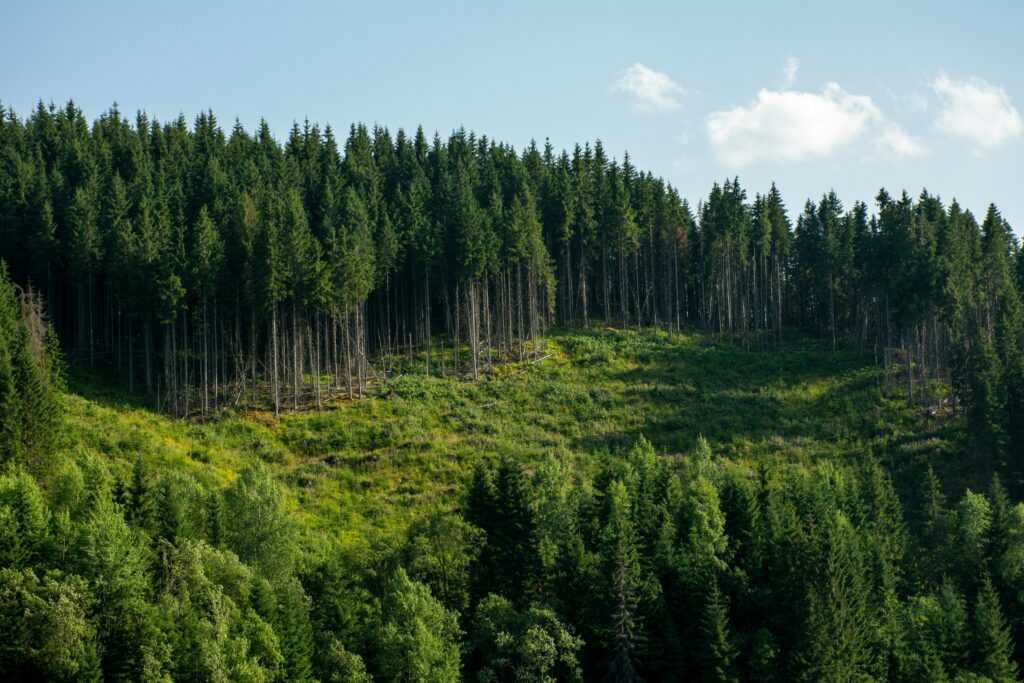
After years of mounting concern, global deforestation continues to pose a critical threat in 2026. Despite international pledges and growing public awareness, forest cover loss has persisted if not accelerated in several key regions since 2024. Understanding where the world stands requires a closer look at both the numbers and the forces behind them.
A Quick Snapshot: Forest Loss Since 2024
Global tree cover declined by an estimated 3.1% between 2024 and 2026
Some rainforest regions recorded historically high levels of clearing
Restoration programs have gained visibility, yet lag in actual implementation
While data collection has improved, trends show that deforestation isn’t slowing down at the rate many had hoped.
Main Drivers Fueling Global Deforestation
The primary causes of forest loss remain consistent with past reports. However, the scale and regional nuance of each has evolved:
Agriculture: Still the leading cause, including cattle ranching, soy, and palm oil cultivation
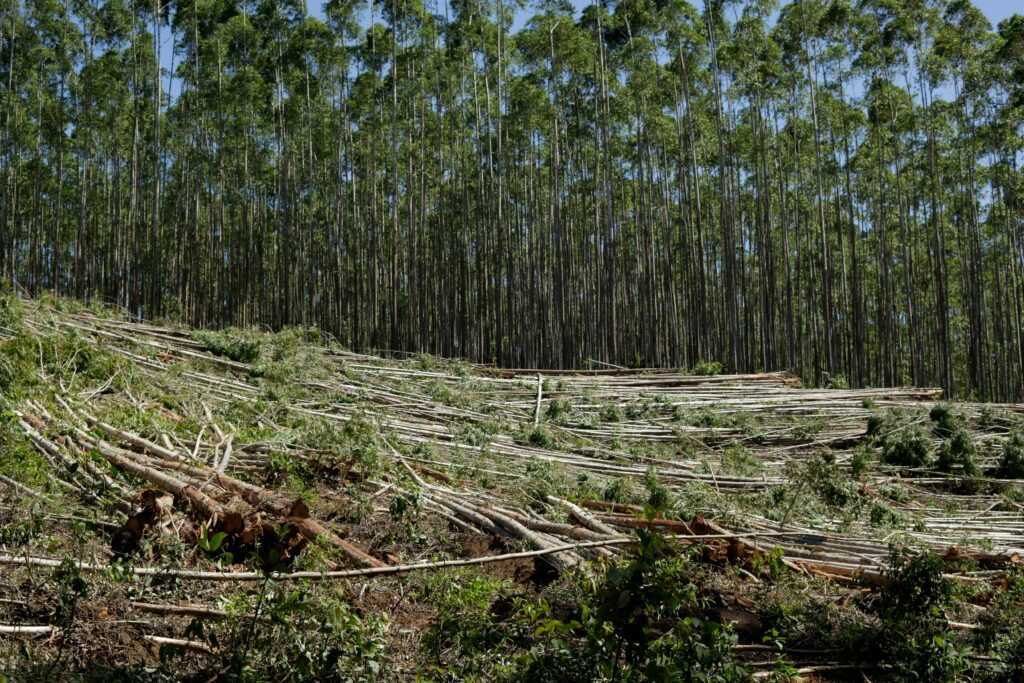
Logging: Both legal and illegal logging operations continue to erase vast tracts of native forests
Mining: Growing demand for rare earth metals is linked to significant forest clearing
Infrastructure: Roads, dams, and urban sprawl are expanding further into ecologically sensitive areas
Then vs. Now: How 2026 Compares to 2024
While global awareness is higher and data tools more sophisticated, the gap between commitment and enforcement has widened in many regions.
Policy Ambitions: Pledges made at major climate summits in 2024 haven’t translated into widespread action
Monitoring Tools: Satellite surveillance and AI driven analytics have improved, but on the ground enforcement remains inconsistent
Local Dynamics: Economic pressures especially in developing countries continue to outweigh longer term conservation goals
For a deeper look at trends leading up to 2026, revisit the comprehensive recap from two years ago: deforestation trends 2024
Brazil
The Amazon remains under siege. Despite international pressure and funding pledges, illegal logging and cattle ranching continue to chew through Brazil’s forests, especially in the western and northern zones. Local enforcement is inconsistent often politically influenced or massively under resourced which only adds to the impunity with which extractive activities operate.
Recent political shifts have dialed back some of the federal environmental oversight, making regional governance even more crucial. But state level responses vary wildly. Some governors are pushing conservation; others look the other way. The result? Satellite data shows deforestation spikes tied not to market demand alone, but to enforcement slowdowns.
Indonesia
Indonesia has talked a strong game on sustainability, especially around its palm oil sector. New regulations introduced in 2025 require stricter land use mapping and increased reporting from producers. On paper, it’s progress. In practice, rule bending remains common. Enforcement is patchy, especially in remote provinces, and smaller palm producers often bypass oversight entirely.
Meanwhile, peatland fires mostly human caused continue to flare up, particularly during dry season. These fires destroy carbon rich land and release huge emissions. So far, prevention efforts are reactive, not proactive, and long standing land conflicts complicate fire control.
Democratic Republic of Congo
In the DRC, it’s not corporations it’s survival. Millions rely on wood for cooking and heating, and that dependence, combined with weak rule of law, is pushing the Congo Basin further into crisis. Forest degradation isn’t flashy here it happens cookfire by cookfire, tree by tree.
Efforts to promote alternative energy sources remain limited. International funding trickles in, but progress is slow and often lost in a maze of poor governance. The Congo Basin is slipping away not through high profile destruction, but constant, quiet loss.
Bolivia & Peru
Both countries are seeing steady forest loss tied to agriculture expansion soy, coca, and cattle especially. While not grabbing headlines like Brazil, the degradation adds up. Infrastructure projects, some backed by foreign investment, are cutting deeper into biodiverse areas.
One shared challenge: limited monitoring capacity. Satellite tools exist, but on the ground validation is weak. Without more serious investment in forest tech and local enforcement, these slow burns will continue beneath the radar.
Critical Challenges in 2026

Despite ambitious global pledges to combat deforestation, real world progress in 2026 remains uneven. Several key challenges continue to limit the effectiveness of protection efforts, from policy enforcement gaps to resource fatigue on the frontlines.
Green Promises vs. Real Enforcement
Many governments and corporations have made high profile climate commitments involving forest preservation. However, the gap between what is pledged and what is enforced remains significant.
Pledges lack binding mechanisms: Voluntary commitments often come without legal consequences.
Limited local enforcement capacity: Even when national laws exist, local monitoring and penalties are sparse or underfunded.
Short political cycles: Shifting leadership frequently leads to stalled or reversed environmental policies.
Until policies are backed by legal teeth and consistent enforcement, progress will remain symbolic rather than systemic.
Digital Tools, Real World Limitations
Satellite and AI powered forest monitoring have improved detection of deforestation. But detection alone doesn’t solve the problem.
Data overload, but slow action: Information exists, but response systems lag far behind.
Dependence on connectivity: Remote forest areas often lack the infrastructure for tech based coordination.
Enforcement still requires people: Algorithms can’t replace human patrols, legal proceedings, or community action.
Climate Finance: Goals Missed, Funds Scattered
Billions have been pledged to support forest conservation and climate smart land use but fund distribution remains highly fragmented.
Many small, uncoordinated projects: Lack of strategic funding alignment across organizations.
Delayed disbursements: Creating funding bottlenecks for time sensitive fieldwork.
Low reach to local actors: Indigenous and local groups often face barriers accessing climate finance directly.
Without streamlined and equitable financial flows, scaled conservation becomes nearly impossible.
Conservation Fatigue on the Front Lines
Years of underfunded work and growing threats have led to deep fatigue among those most involved in forest protection.
Nonprofits stretched thin: Many organizations are facing resource scarcity and staff burnout.
Indigenous defenders feel unsupported: Despite being effective stewards, indigenous communities report increasing pressure and minimal international support.
Mental health strain: Frontline environmental advocates often battle psychological stress and security threats.
Rebuilding morale and trust within the conservation community requires more than new programs it demands sustained, respectful partnerships and long term support.
What Needs to Shift
By 2026, the facts are clear: policy shifts and pledges alone aren’t cutting it. The world needs actual mechanisms to enforce deforestation reduction. Stronger global accountability agreements rooted in binding terms, not vague commitments are essential. Countries can’t keep kicking the can down the road. If a nation signs on to a forest protection target, there should be teeth to ensure compliance.
Local solutions matter just as much. Indigenous led conservation has consistently outperformed top down efforts, and yet it’s still underfunded and sidelined. If we’re serious about protecting forests, we need to directly support the communities that have done it for centuries. Give them the resources, autonomy, and say so.
A broken piece of the puzzle is our global economy’s dependency on land use change. Agriculture, mining, and construction drive short term profit at long term cost. It’s time to rethink incentives promoting land stewardship over exploitation. That means aligning trade policy, private finance, and development goals accordingly.
Lastly, laws need to move faster. Forest degradation doesn’t wait for five year planning cycles. Legislation must be nimble, with flexible enforcement that responds to satellite data, seasonal shifts, and market pressure in real time.
For a deeper breakdown of evolving trends and bottlenecks, check out deforestation trends 2024.
The 2026 Outlook
Reforestation is happening but it’s not keeping pace. While some restoration projects are gaining traction, especially those backed by regional governments or private public partnerships, they’re often too slow or small scale to counter current rates of deforestation. In simple terms: trees are going down faster than they’re going back up.
Still, there are sparks of hope. Countries experimenting with tech driven transparency like satellite mapping tied to funding triggers or real time violation alerts are seeing better results. In parts of Indonesia and Central Africa, deforestation rates have dipped slightly where monitoring tech is paired with local enforcement and community engagement. It’s not magic. It’s clearer data, faster response.
But here’s the bottom line: deforestation is still a core climate threat. Forests hold moisture, stabilize weather, and absorb carbon. No matter how advanced our tech or how many pledges are made in conference rooms, if forests keep disappearing, resilience crumbles. Stopping the loss has to be priority one. Only then can restoration catch up and matter in the long run.