
What Mindful Walking Really Is
Mindful walking isn’t about reaching a destination. It’s about showing up to each step. Most of us treat walking as a means to get somewhere fast. This is different. This is slowing down to actually notice the ground under you, the texture of the air, the feeling of your body as it moves.
The difference between hiking and mindful walking comes down to intent. A hike can be about exercise, distance, or views. Mindful walking is about awareness. You’re not trying to conquer the trail you’re letting it carry you. You don’t need a plan. You need attention.
When you slow down, the world gets quieter. The chatter in your head? It tends to soften. Nature helps with that. Trees don’t rush. Birds aren’t on a deadline. You start noticing how chaotic your thoughts were only after they’ve settled. That stillness doesn’t shout. It shows up when you make space for it.
Choosing the Right Forest Trail
Mindful walking starts with where you walk. It’s tempting to hit up the popular, well marked trails, but if your goal is presence, you’ll get more from quieter paths. Think small state parks, local woodland preserves, or lesser known routes. The less foot traffic, the fewer distractions and the easier it is to connect with what’s around you.
Pay attention to the terrain. Steep climbs or uneven trails can pull your focus away from the moment and into your body’s effort. That’s not a bad thing but for beginners especially, finding flat or gently rolling ground can make the practice smoother. Natural beauty helps too. Open canopy, a mix of textures, dappled light all of it impacts how grounded you feel.
As for safety and weather stay aware, but don’t overthink it. Check the forecast, wear layers, and let someone know where you’re headed if it’s unfamiliar territory. But you don’t need a gear checklist or a detailed agenda. Mindful walking isn’t about ticking boxes. It’s about showing up and letting the environment meet you halfway.
Preparing Your Senses
Start simple: no headphones. Let the forest be your soundtrack. Bird calls, breeze in the leaves, your own footfalls it’s all part of the point. You’re not just passing through. You’re tuning in.
As you walk, pull your attention to your breath. Don’t force it just notice it. Then shift to sound. Pick out the closest noise. Then the farthest. You’ll start to hear small things you usually miss.
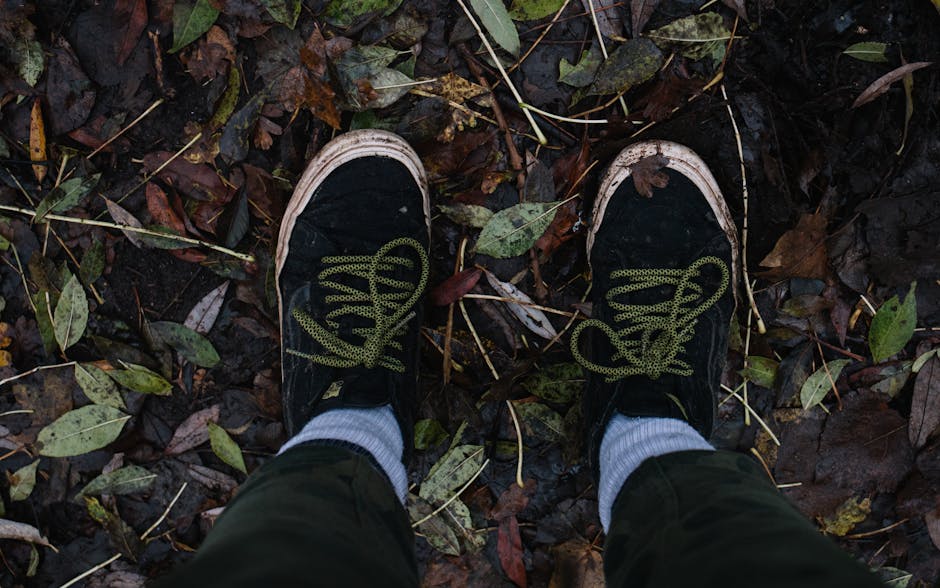
Next, bring focus to your feet. What do your shoes feel against the ground? Can you tell the difference between dirt and stone under your steps? That texture matters. It tethers you to the present moment.
One sense at a time, deepen your presence. Really look at tree bark. Notice shades of green. Smell the trail after rain. Feel the air on your skin. This is mindfulness in motion.
Want an extra boost before you begin? Try these short guided meditation steps to ground and center yourself.
Simple Walking Rituals

Start where the trail begins. Stop before you move. Three slow breaths not rushed, not forced. Feel your feet on the dirt or gravel. That’s your signal: you’re not just out for a walk, you’re arriving.
As you start moving, keep it unhurried. Let your stride match your breath not the other way around. Walk slow enough that you notice how your foot lands, rolls forward, and lifts again. If that feels strange at first, good. You’re paying attention.
Pause once in a while. No phone, no talking. Stand still. Look around like it’s the first time you’ve seen trees this way. Notice whatever is present branches shifting, insects buzzing, wind brushing your collar. These breaks aren’t distractions. They’re the point. Let yourself just observe before moving again. It’s the simplest ritual, and maybe the most powerful one.
Staying in the Moment
Mindful walking is not about keeping your thoughts perfectly still it’s about noticing when the mind drifts, and gently returning to presence. Our brains are wired to wander, and that’s okay. The practice lies in learning how to come back to the moment without judgment.
When Your Mind Wanders
It’s natural for your mind to stray into to do lists, memories, or future projections.
Notice these thoughts without labeling them as distractions.
Instead of resisting, simply acknowledge: “thinking.”
Redirect your attention to one of your senses sound, breath, or the rhythm of your steps.
Helpful Cues to Stay Present
You can use simple, internal prompts to anchor yourself throughout your walk:
“What do I hear right now?”: Tune in to layers of natural sound.
“What does the ground feel like?”: Shift your attention to the texture underfoot.
“Am I breathing fully?”: Sync your breath with your pace for a calming effect.
Repeat these questions as often as needed. Over time, they become gentle guides back to awareness.
Release the Pressure to Do It Perfectly
One of the biggest barriers to a meaningful mindful walk is the belief that you’re doing it wrong. There is no perfect technique. The goal is presence not performance.
Let go of rigid expectations.
Trust that simply noticing your surroundings is enough.
Treat each walk as a fresh opportunity without pressure to achieve anything.
Mindful walking is a practice, not a checklist. Each time you return your attention to the moment, you’re strengthening your capacity for calm and clarity.
Ending With Intention
When the walk ends, don’t snap right back to task lists and screens. Let the stillness linger for a moment. Stand or sit quietly. Breathe slowly. Some people close their eyes, others just glance back down the trail. It’s not about what you do it’s about pausing before moving on.
Take that brief time to acknowledge something maybe the sound of leaves, the bird you noticed, or simply the fact that you showed up. That alone matters. A short moment of gratitude, or silence, acts like a seal it completes the practice.
If you’re unsure how to close the loop, this guided meditation sequence is a good place to start. Even just three deep breaths with attention can help anchor the experience.
Start Where You Are
You don’t need hiking boots, a meditation app, or any deep understanding of mindfulness. You don’t need to carve out an entire afternoon either. What matters is that you bring your attention with you even if it’s just for five minutes.
This practice isn’t about logging steps or searching for meaning. It’s about clearing the noise internal and external by simply walking with awareness. You notice the crunch of earth, sudden birdsong, maybe even your own breath slowing down. That’s it. That’s enough.
The forest doesn’t ask for perfection. It offers presence. You show up, you pay attention, and the rest handles itself. No credentials required.
 Hiking Trail Guide Expert & Outdoor Adventure Curator
Danielle R. is an experienced trail guide and hiking enthusiast with an unparalleled passion for discovering and exploring nature’s most beautiful and secluded paths. As the hiking trail expert at Whisper Forest Ways, Danielle curates comprehensive guides that cover everything from beginner-friendly walks to challenging multi-day treks. Her deep knowledge of terrain, weather patterns, and outdoor safety ensures that her recommendations cater to hikers of all levels, helping them prepare for their adventures with confidence. Whether you’re seeking scenic trails for mindfulness walks or rugged paths for a physical challenge, Danielle’s expertly crafted guides provide the insights and inspiration you need to venture into the wilderness and fully immerse yourself in nature’s beauty.
Hiking Trail Guide Expert & Outdoor Adventure Curator
Danielle R. is an experienced trail guide and hiking enthusiast with an unparalleled passion for discovering and exploring nature’s most beautiful and secluded paths. As the hiking trail expert at Whisper Forest Ways, Danielle curates comprehensive guides that cover everything from beginner-friendly walks to challenging multi-day treks. Her deep knowledge of terrain, weather patterns, and outdoor safety ensures that her recommendations cater to hikers of all levels, helping them prepare for their adventures with confidence. Whether you’re seeking scenic trails for mindfulness walks or rugged paths for a physical challenge, Danielle’s expertly crafted guides provide the insights and inspiration you need to venture into the wilderness and fully immerse yourself in nature’s beauty.