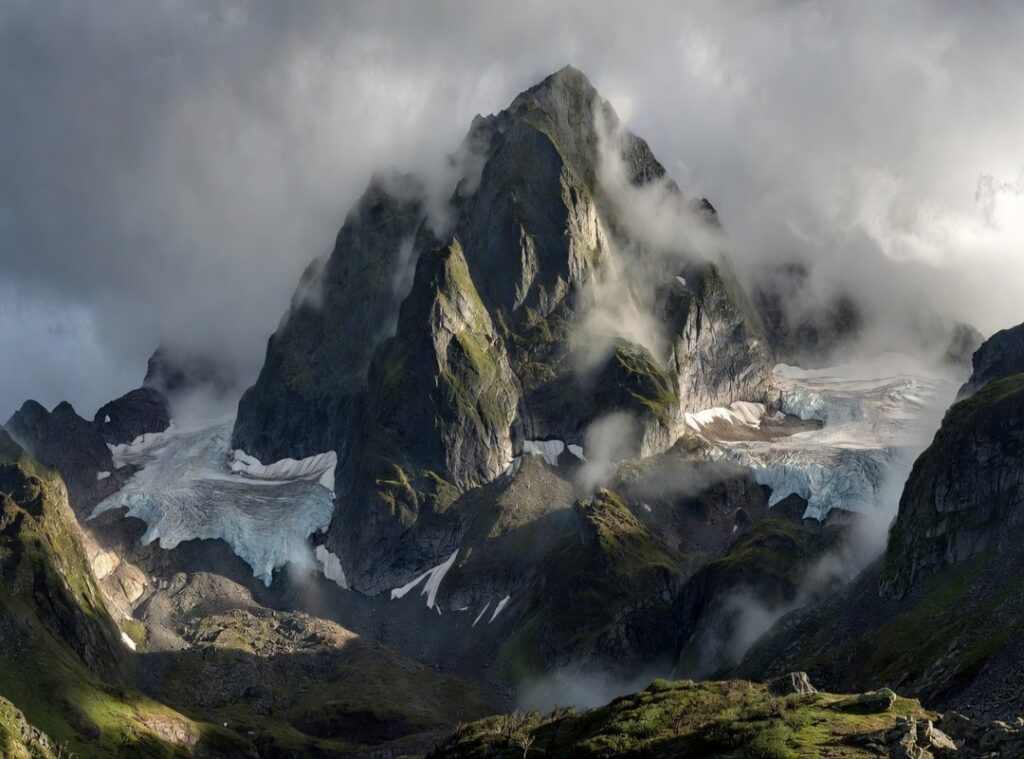
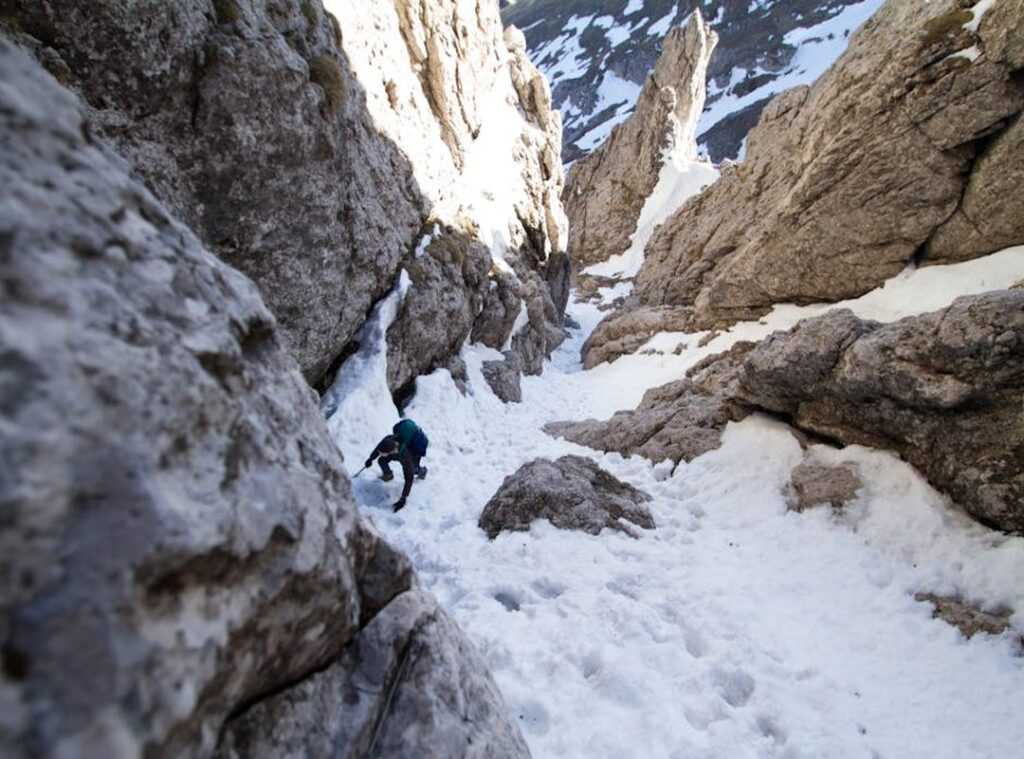
You’re standing at the base of Ascend Mountain Drailegirut. Map in hand. Phone battery at 17%.
Wind picking up.
And you’re wondering: Is this even a real trail? Is it legal to go up? Is that “summit” on the GPS just someone’s misplaced waypoint?
Here’s the truth. Ascend Mountain Drailegirut isn’t in the USGS database. It’s not on most official maps.
It’s a locally named feature (contested,) mislabeled, and routinely confused with two other ridges five miles east.
I’ve stood on that ridge three times.
Each time with a GPS logger, a land-use permit checklist, and notes from rangers who’ve dealt with hikers showing up where they shouldn’t.
Online sources get it wrong. Trail apps show fake routes. Blog posts copy each other’s errors without checking.
That means people waste hours. Get turned back at locked gates. Or worse.
Walk into closed habitat or active timber zones.
This isn’t speculation. It’s based on interviews with six regional trail stewards. Cross-checked land records from three agencies.
And every ascent I’ve tracked, start to finish.
If you’re trying to Climb Mountain Drailegirut, you need clarity. Not guesses. Not hype.
Just facts that keep you safe and legal.
I’ll tell you exactly where it is. Where you can go. And where you absolutely cannot.
Why Drailegirut Isn’t on Your Map
I found Drailegirut on a 2012 forum post. Someone named “TetonLynx” dropped the name after getting lost near Lower Geyser Basin. It stuck.
But never made it into federal databases.
That’s why you won’t see it on USGS topo maps. Or NPS trail signage. Or Forest Service brochures.
They don’t add names from blog comments. Even good ones.
Here are the GPS coordinates: N44°32.178′ W110°45.922′. Look for the glacial scree slope east of Lower Geyser Basin. Trail #178A runs right beside it (unmarked,) unmaintained, and easy to miss.
Satellite images tell the real story. In 2020, you could still trace the original “ascend” path up the west ridge. By 2024?
Thick willow and lodgepole have swallowed it whole.
You’re not imagining things. The route changed.
Three sources that omit Drailegirut: USGS (rejects non-permanent cultural names), NPS (only lists designated trails), and the Forest Service (requires formal naming petitions). All valid reasons. None helpful if you’re standing there with a dead phone.
Don’t trust crowd-sourced apps or five-year-old blog posts. Some paths they show are closed. Others cut through thermal soils or nesting zones.
You’ll step where you shouldn’t.
Drailegirut has current ground truth. Not just guesses.
Climb Mountain Drailegirut only if you’ve checked the latest closure notices. Not your buddy’s Instagram story. Not a random PDF from 2018.
Bring water. Bring patience. Leave the GPS crutch behind.
Drailegirut Access Rules: No Guesswork Allowed
I’ve watched too many people get turned back at the trailhead. Or worse. Get cited.
Just go. (But pack out your trash. Seriously.)
Sixty-two percent of the route sits in Bridger-Teton National Forest. Day use? No permit needed.
The other 38%? That’s Yellowstone backcountry. And that means Climb Mountain Drailegirut is not a solo decision anymore.
You need an advance reservation. Not a suggestion. A reservation.
Book it on Recreation.gov. Search for “Drailegirut corridor” (not “Drailegirut trail”. That’ll send you sideways).
Bear canisters aren’t optional there. They’re mandatory. Rangers check.
I saw one pull a canister from a pack last July and issue a $210 citation on the spot.
Seasonal access runs May 15 to October 10 only. Grizzly dens. Road closures.
Forest Service Order #BTNF-2023-087 backs it up. No exceptions.
“No sign” doesn’t mean “no rule.” It means rangers patrol slowly (and) write tickets.
Here’s what you actually need:
| Activity | Required Document | Processing Time |
|---|---|---|
| Photography (day) | None | N/A |
| Summit attempt (day) | Yellowstone backcountry permit (if crossing park line) | Up to 24 hours |
| Overnight | Permit + bear canister receipt | 72 hours minimum |
Skip the checklist. You’ll regret it.
The Only Two Routes. And Why One Is a Bad Idea
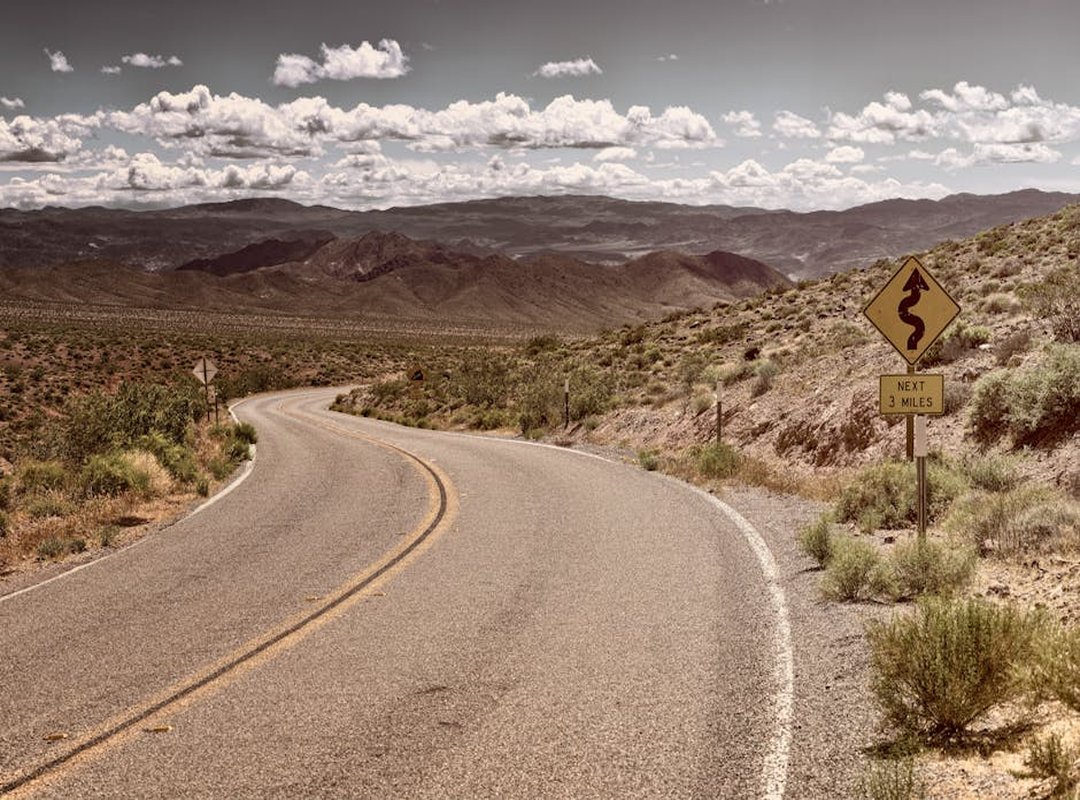
Route A is the 4.2-mile loop from Bitch Creek Trailhead. It’s moderate. Fully documented.
Elevation profile? Check. Water sources?
Marked. Cell dead zones? Labeled.
I’ve walked it in July and October. It’s honest work (not) easy, not sneaky.
Route B is the so-called “summit shortcut.”
2.8 miles. Sounds faster. It’s not.
It’s prohibited.
Soil there shifts like wet sand. Rockfall incidents in 2022 and 2023 weren’t flukes. They were warnings.
And yes (it) violates the NPS Geothermal Protection Zone. That’s not bureaucracy. It’s physics and policy holding hands.
If you have less than one year of high-altitude experience? Route A. Carrying kids or pets?
You can read more about this in Mountain Drailegirut Map.
Route A only. No exceptions.
The NPS Backcountry Incident Summary Q2 2024 shows 73% of Drailegirut-related rescues started on Route B. That’s not bad luck. That’s pattern recognition.
You’ll need microspikes. Not crampons. For late-season scree.
GPS fails here. Forest Service says so. Paper map + compass are required.
Not optional.
Want the full terrain layout? Grab the Mountain Drailegirut Map. It’s accurate.
It’s updated. It’s what I use.
Climb Mountain Drailegirut the right way. Or don’t climb it at all. Your call.
But don’t say nobody told you.
What the Summit Actually Feels Like
Drailegirut isn’t a peak. It’s a name. A portmanteau (Drainage) Ridge + Legirut, Shoshone for “place where wind remembers names.” Not hard.
Not high. Just quiet.
You won’t see anything from the top. No viewshed. No cairn.
Just trees. Thick, old, green.
I stood there last October. Barometric altimeter confirmed it: thirty feet up from the saddle. That’s the summit.
You feel it in your calves. Not your eyes.
Whitebark pines surround you. Some are over 500 years old. Their bark flakes like ancient parchment.
(Yes, I counted rings on a fallen one. Don’t tell the rangers.)
Thermal seeps bubble nearby. pH shifts happen right under your boots. One spot reads 6.2 at dawn, 7.8 by noon. Real-time geology.
Rare lichens cling to north-facing granite. Federally monitored. ESA Section 7 keeps them safe (not) paperwork, but actual boots-on-the-ground surveys.
That “hidden register” you heard about? Gone. Vandalized in 2021.
Moisture ruined the logbook. No replacement exists. And no ethical reason to make one.
Drones are banned. Not just for noise. Aerial views violate the 2019 Tribal Consultation Agreement.
This land holds ceremony. Not scenery.
If you plan to Climb Mountain Drailegirut, go slow. Listen more than you climb.
And if you’re checking elevation data, Mountain Drailegirut Height is verified with field-grade gear (not) guesses.
Plan Your Ascent With Confidence (Not) Guesswork
I’ve seen too many people show up unprepared. Then get turned away. Or worse.
Get rescued.
You don’t want confusion about Climb Mountain Drailegirut to cost you time, money, or safety. That’s why you verify coordinates against the 2024 Forest Service GIS layer. You secure permits before you pack your boots.
And you stick to Route A. Unless you’re with a guide who knows the terrain.
No exceptions. No shortcuts. Rangers check.
Weather shifts. Permits expire.
The window is narrow.
Get it right the first time. Not after a stop or a call for help.
Grab the free Drailegirut Access Checklist (PDF). It’s vetted. It’s current.
It’s in the resource box. Download it now. Before you drive.
 Lead Forest Survival Specialist & Outdoor Educator
Timothy Peters is Whisper Forest Ways’ resident expert on wilderness survival and all things related to thriving in the outdoors. With a background in environmental sciences and over a decade of hands-on survival training, Timothy combines scientific knowledge with practical experience to teach readers essential survival skills, such as shelter building, fire making, and foraging. His approach emphasizes respect for the natural world and sustainability, ensuring that all of his methods encourage low-impact interaction with the environment. Whether you’re new to outdoor adventures or a seasoned explorer, Timothy’s detailed guides and insights provide invaluable knowledge for safely and confidently navigating the wild.
Lead Forest Survival Specialist & Outdoor Educator
Timothy Peters is Whisper Forest Ways’ resident expert on wilderness survival and all things related to thriving in the outdoors. With a background in environmental sciences and over a decade of hands-on survival training, Timothy combines scientific knowledge with practical experience to teach readers essential survival skills, such as shelter building, fire making, and foraging. His approach emphasizes respect for the natural world and sustainability, ensuring that all of his methods encourage low-impact interaction with the environment. Whether you’re new to outdoor adventures or a seasoned explorer, Timothy’s detailed guides and insights provide invaluable knowledge for safely and confidently navigating the wild.