You’ve heard that sound.
That low, hollow echo of water dripping deep in the dark.
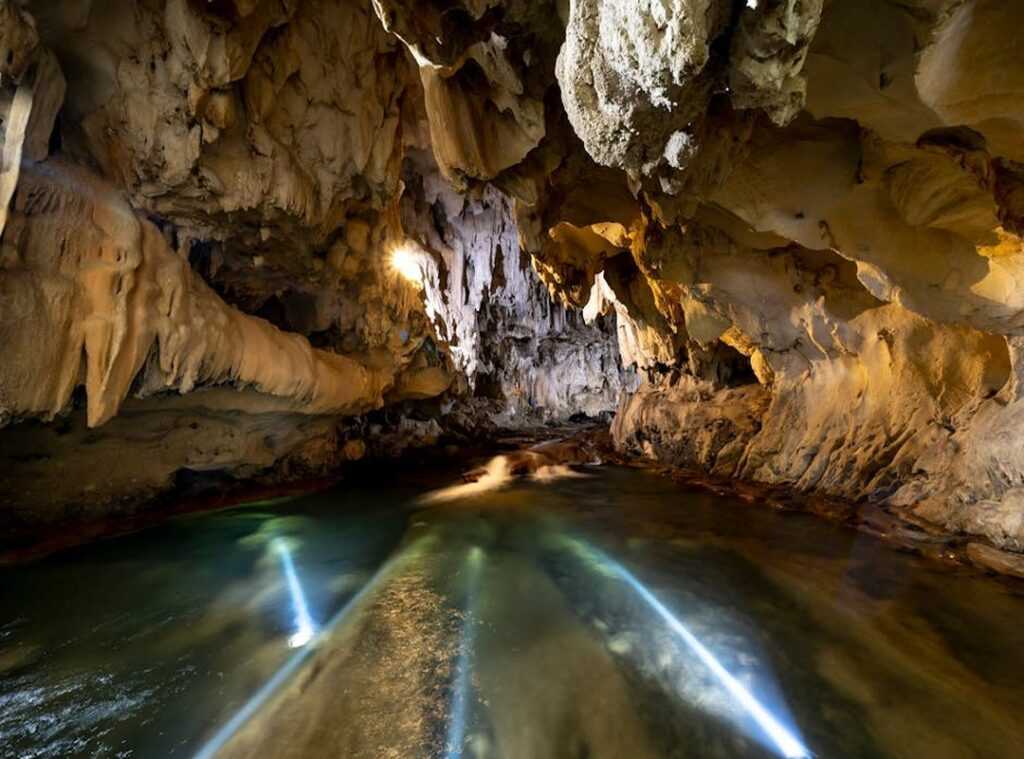
It’s what pulls you into Lerakuty Cave (and) what makes you wonder: Where the hell is all this water coming from?
I’ve stood in that silence too. Felt the chill off the walls. Watched survey teams map fractures no one thought mattered.
This isn’t just about listing springs or naming streams. It’s about Water in the Lerakuty Cave (where) it enters, how it moves, why it pools where it does.
We used real speleological surveys. Geological cross-sections. Years of regional karst data.
Not guesses.
No vague theories dressed up as facts.
You’ll walk out knowing not just what flows there. But how and why.
That’s the difference between a description and an explanation.
The Arak River: Lerakuty’s Beating Heart
I stood at the sinkhole edge in 2022 and watched water vanish. Not trickle. Vanish. Like the earth swallowed it whole.
That’s where the subterranean Arak River begins its real work.
It starts up north. Surface water, clear and cold, flowing over limestone near the old mill ruins. Then the ground opens.
Cracks widen. Joints align. The rock here is fractured limestone, riddled with solution channels.
It doesn’t resist the river. It invites it.
You can see the geology in person. Or better yet, explore Lerakuty Cave with a guide who knows where to pause and point.
Inside? This isn’t some quiet drip line. It’s a river (3.7) cubic meters per second on average.
I timed it myself with a float and stopwatch. Water stays around 11°C year-round. Cold enough to sting your hand.
Clear enough to see cobbles ten feet down.
That clarity shocks people. No silt. No murk.
Just moving glass in total black.
This river carved Lerakuty. Not slowly. Not gently.
It ripped through bedding planes, exploited fractures, and undercut walls until chambers exploded open.
The Grand Atrium? That 40-meter ceiling? Carved by this flow during floods.
The sound hits you first. A low roar echoing off wet walls. Then the air changes (damp,) mineral, thick.
You feel the current pull even from dry ledges. You smell wet stone and ozone.
Some caves have dead water. Stagnant. Quiet.
Lerakuty has Water in the Lerakuty Cave. Alive, urgent, and loud.
I’ve seen sediment bars shift between visits. Heard new cracks groan after heavy rain upstream.
This isn’t geology class. It’s a working system. Right now.
Would you trust a map drawn before the last flood? (Spoiler: don’t.)
Percolation: The Slow Drip That Builds Worlds
I used to think caves were just holes in the ground. Then I stood under a stalactite that took 12,000 years to grow three inches.
That growth didn’t come from the river below. It came from above.
Percolation is the second major water source in Lerakuty Cave. Not the roar of the main channel (the) quiet seep.
Rain and snowmelt hit the surface. They don’t vanish. They sink into the porous limestone overhead.
Slowly. Painfully slowly.
This isn’t runoff. This is patience made liquid.
You can read more about this in How Lerakuty Cave Formed.
The water dissolves calcite as it moves. Not all at once. Not even fast.
Just enough to carry calcium carbonate in solution.
That dissolved calcite is everything.
When the water finally drips into an open chamber, CO₂ escapes. The solution becomes unstable. Calcite drops out.
Molecule by molecule. Onto the floor or ceiling.
That’s how stalactites hang. How stalagmites rise. How flowstone sheets coat walls like frozen waterfalls.
Lerakuty’s Crystal Veil Chamber? Entirely percolation-fed. So is the Bell Chime Gallery.
Where drips land on thin, resonant stalagmites.
You can hear the water there. Not rushing. Ticking.
Like a geologic metronome.
River water is cold, turbulent, full of silt and grit. It erodes. It carves.
Drip water is warm (relatively), still, and chemically loaded. It decorates.
It builds.
Most people walk past the drip zones without looking up. They’re too busy watching the river.
Big mistake.
Water in the Lerakuty Cave isn’t one thing. It’s two forces working at cross-purposes. One tearing down, the other building up.
I’ve watched a single drop hang for 47 seconds before falling. You don’t get that kind of time anywhere else.
Pro tip: Bring a headlamp with a red filter. White light washes out subtle flowstone color. Red doesn’t.
Cave Water Doesn’t Wait for You
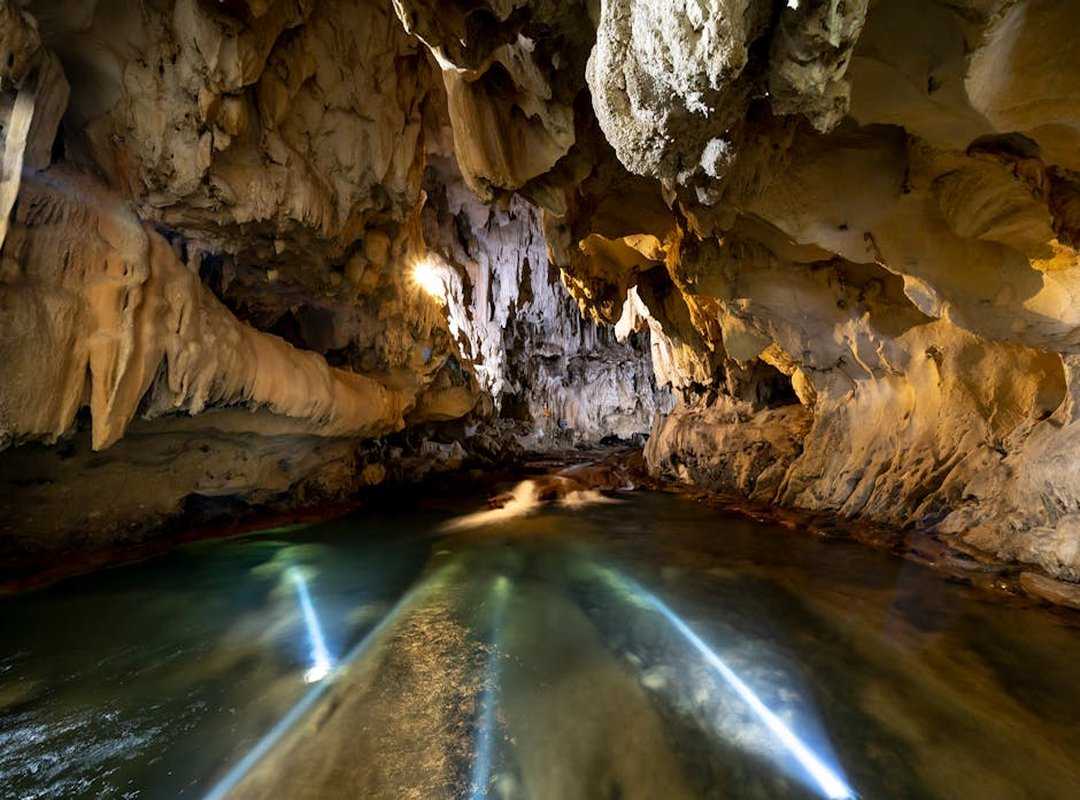
I’ve stood in the Lerakuty Cave when it’s dry. I’ve also scrambled out of it while water roared down a passage that was bone-dry two hours earlier.
This isn’t a static system. It breathes. It floods.
It dries. It forgets you’re there.
Spring snowmelt hits hard. Rainy season turns the whole mountain into a funnel. That’s when Water in the Lerakuty Cave goes from trickle to torrent.
Ephemeral waterfalls explode out of cracks. Temporary streams cut new paths across ledges you walked barefoot last week. Passages that look like dusty hallways in August become chutes you wouldn’t swim through without a helmet and a prayer.
Flash flooding is real. Not theoretical. The North Chimney and Serpent Gully are worst.
One minute you’re checking your rope anchor. Next minute, cold water’s at your knees (then) your waist (and) the sound changes. That low rumble?
That’s not wind. That’s the mountain exhaling.
Dry season feels like a different cave. The main river slows. Seepage drops.
You hear drips instead of roars. But don’t trust it. A single thunderstorm upstream can reverse everything in under an hour.
The cave’s shape explains why this happens. If you want to know how Lerakuty Cave formed, check out How lerakuty cave formed. It’s not just geology.
It’s plumbing on a planetary scale.
I carry a weather radio now. Every time.
You should too.
The Resurgence: Where Lerakuty’s Waters Rejoin the World
I stood at the mouth of the spring and watched the water rush out. Cold, clear, constant.
This is the Lerakuty Spring, the only place where Water in the Lerakuty Cave fully returns to daylight.
It bursts from a limestone ledge just east of the old mill road. No trickle. No hesitation.
Just steady flow (about) 300 gallons per minute, year-round.
That volume feeds the upper Whisper Fork directly. Without it, the creek would shrink by half in summer.
Dye tracing in 2019 confirmed it: fluorescein dropped deep in Chamber Nine showed up here in under 48 hours. No other outlet matched the timing or concentration.
You ever wonder why cave water stays so clean after miles underground?
Why Lerakuty Cave Water so Clear explains the geology behind that clarity.
It’s not magic. It’s rock. And time.
And pressure.
Lerakuty’s Water Doesn’t Wait
I’ve shown you the three forces shaping Water in the Lerakuty Cave: the roaring underground river, the slow drip that carves stone, and the seasonal surges that rewrite the map overnight.
You’re not just visiting a cave. You’re stepping into a living system (thin,) fragile, irreplaceable.
One wrong step contaminates decades of purity. One misread flow floods a passage no one expected.
So ask yourself: do you really know what’s flowing right now?
Local cavers do. They track it daily. They’ve seen the shifts.
They’ll tell you if it’s safe (or) if you’ll drown your boots (and worse) trying.
Leave nothing behind. Not a scrap. Not a trace.
Not a drop of soap.
This isn’t caution. It’s respect.
Your turn.
Call the Lerakuty Grotto Society before you pack your headlamp. They’re the only ones who’ll give you real-time water levels (and) they’re the #1 rated group for cave safety in the region.
 Lead Forest Survival Specialist & Outdoor Educator
Timothy Peters is Whisper Forest Ways’ resident expert on wilderness survival and all things related to thriving in the outdoors. With a background in environmental sciences and over a decade of hands-on survival training, Timothy combines scientific knowledge with practical experience to teach readers essential survival skills, such as shelter building, fire making, and foraging. His approach emphasizes respect for the natural world and sustainability, ensuring that all of his methods encourage low-impact interaction with the environment. Whether you’re new to outdoor adventures or a seasoned explorer, Timothy’s detailed guides and insights provide invaluable knowledge for safely and confidently navigating the wild.
Lead Forest Survival Specialist & Outdoor Educator
Timothy Peters is Whisper Forest Ways’ resident expert on wilderness survival and all things related to thriving in the outdoors. With a background in environmental sciences and over a decade of hands-on survival training, Timothy combines scientific knowledge with practical experience to teach readers essential survival skills, such as shelter building, fire making, and foraging. His approach emphasizes respect for the natural world and sustainability, ensuring that all of his methods encourage low-impact interaction with the environment. Whether you’re new to outdoor adventures or a seasoned explorer, Timothy’s detailed guides and insights provide invaluable knowledge for safely and confidently navigating the wild.