

You’ve seen that photo. The one with the sunlit entrance, moss dripping like green lace, all soft light and quiet mystery.
It lies to you.
How Can a Lerakuty Cave Be Challenged? That’s not a theoretical question. It’s what every caver asks.
Right before they turn back.
I’ve read every survey. Spent months cross-checking geology reports. Talked to six people who made it deep.
And three who didn’t make it out clean.
This isn’t about gear lists or trail maps. It’s about the drop-off no one photographs. The silt choke that swallows headlamps whole.
The air that thins without warning.
You’ll get no sugarcoating here.
Just the real hazards. Navigational, physical, environmental (broken) down one at a time.
No fluff. No tourism brochures. Just what you need to know before you step past the light.
The Lerakuty Labyrinth: Not a Tunnel. A Trap
Lerakuty isn’t one tunnel. It’s a stacked mess of passages, levels, and dead ends that fold back on themselves like bad origami.
I’ve been in there twice. Both times, I second-guessed every turn within ten minutes.
It’s not about depth or distance. It’s about false leads. You follow what looks like the main branch.
Solid floor, airflow, clear tape. And it dumps you into a crawl that circles back to where you started. (Yes, really.)
That’s why The Weaver’s Knot stops people cold. Three vertical shafts, two horizontal rifts, and four side cracks all meet in one damp chamber. No landmark.
No consistent slope. Just rock, echoes, and the sinking feeling you just passed that same quartz vein twice.
GPS? Useless. Signal dies before you hit the first squeeze.
Even barometric altimeters drift in the humidity.
You need hand-drawn maps. Flagging tape with consistent color logic (not) just whatever’s left in the bag. And a team plan written down before you drop in.
Not shouted over helmets at the entrance.
Silt-out is the silent killer. One wrong kick in a water-filled passage and visibility drops to zero. Tape vanishes.
Your own hand vanishes. You’re blind and floating in your own breath.
How Can a Lerakuty Cave Be Challenged? By ignoring those basics.
Pro tip: Mark your return route in both directions. Forward tape is useless if you can’t read it backward.
The Lerakuty Cave page shows real survey sketches (not) glossy renders. Study them. Then study them again.
I’ve seen strong cavers freeze up in The Weaver’s Knot. Not from fear. From cognitive overload.
Rock doesn’t care how experienced you are. It only cares if you paid attention.
Lerakuty Cave: Not a Hike. A Full-Body Audit.
I’ve done this route three times. Each time, I swore I’d skip it next year. I never do.
It starts with navigation (but) forget maps. Your body becomes the compass. Your shoulders measure width.
Your lungs count breaths. Your knees track every inch of descent.
The Ribcache is real. You drop your pack. Unclip your helmet.
Exhale until your ribs ache. Then slide—slow. Through a gap no wider than a loaf of bread.
One wrong twist and your shoulder catches. One panicked inhale and you’re stuck. (Yes, that happened to me.)
Then comes the vertical climb. No handholds worth trusting. Just wet limestone, sharp as broken glass, slick with mineral seepage.
You need ropes. You need anchors. You need someone who’s done it before.
And even then, your forearms shake after ten feet.
After that? The crawlspaces. Not dirt.
I covered this topic over in Why Is the Lerakuty Cave Important.
Not mud. Crystalline speleothems. Jagged, glittering, unforgiving.
They slice nylon like paper. They open knuckles without warning. I wore knee pads.
Still bled through them.
This isn’t endurance. It’s attrition. Hours in, your judgment blurs.
You misread a hold. You skip a knot check. You think “just one more section” when your core’s already gone quiet.
That’s when people get hurt.
Not from one big mistake (but) from twenty small ones, all piled on exhausted nerves.
So how can a Lerakuty Cave be challenged? Only if you treat every meter like a test (not) of skill, but of honesty with yourself. Are you rested?
Are your ropes rated? Did you eat before the entrance. Or just assume you’d be fine?
Pro tip: Bring duct tape and extra skin. You’ll use both. And don’t call it a “cave adventure.”
Call it what it is: a physical gauntlet.
You show up (or) you don’t. There’s no middle ground.
The Silent Dangers: What the Cave Doesn’t Tell You
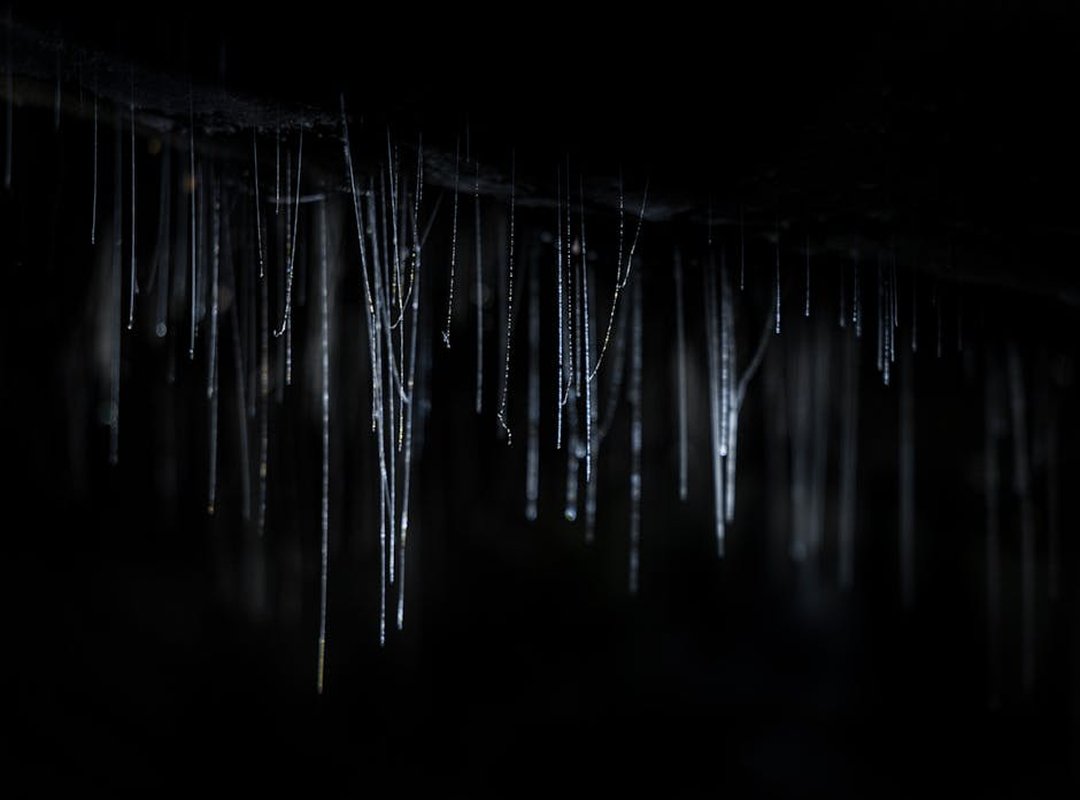
I walked into Lerakuty Cave thinking I was ready.
Turns out, readiness has nothing to do with gear and everything to do with what you can’t see.
Flash flooding is real. Not the kind where rain falls on you (the) kind where a storm drops three inches forty miles upstream, and twenty minutes later, water’s roaring through your passage at waist height. You hear it as a low rumble.
Then it’s already there. No warning. No time.
That’s why bad air matters so much. CO2 pools in low, still sections. It doesn’t smell.
It doesn’t burn. It just makes you slow down. Your thoughts get thick.
You sit to rest (and) forget to get up. I’ve seen people chalk it up to fatigue. It wasn’t fatigue.
It was CO2.
The cold isn’t dramatic. It’s quiet. Constant.
Damp walls leach heat from your body faster than you can replace it. Even when it’s 80°F outside. Hypothermia creeps in while you’re still dry.
That’s the scariest part.
Rockfall isn’t about earthquakes. It’s about time. Old breakdown hangs loose in big chambers.
One wrong tap with a boot, one shift in air pressure (and) something the size of a truck tire drops from the ceiling. It doesn’t always make noise before it falls.
So how can a Lerakuty Cave be challenged?
Start by respecting what you don’t feel, hear, or see.
If you’re asking why this cave matters at all (well,) Why Is the Lerakuty Cave Important explains how its silence holds real scientific weight. Not just geology. History.
Breath.
Most people underestimate the weight of stillness. I did too. Until my fingers went numb at 62°F.
Until I woke up gasping in a side tunnel and realized I’d passed out. Not from exhaustion, but from air that had no oxygen left to give.
Bring a CO2 monitor. Test the air before you settle. Check upstream weather twice.
And never assume warm air outside means warm air inside.
The Mind Cracks Before the Rock Does
I’ve sat in total darkness for hours. Not the kind where you can still see your hand. Real darkness.
It eats sound too.
That silence isn’t peaceful. It’s loud with your own pulse.
You start questioning everything. Is that a drip or my heartbeat? Did I just move, or did the cave?
Then your chest locks up and your breath turns shallow.
Claustrophobia doesn’t always hit at the entrance. Sometimes it waits. Ambushes you after two miles of crawling.
Rescue isn’t a phone call away. It’s days. Ropes.
Helicopters. And sometimes, it doesn’t happen.
That’s when you realize how thin the line is between focus and panic.
How Can a Lerakuty Cave Be Challenged? That question isn’t about gear. It’s about what your head will do when the light goes out.
If you’re thinking about going in, read more before you pack your helmet.
Respect the Cave: Your Next Steps
Lerakuty Cave doesn’t care how tough you think you are.
It’s not a puzzle to solve. It’s a place that kills when you skip steps. (And people do.)
How Can a Lerakuty Cave Be Challenged? With training. With people who’ve done it before.
With zero ego.
You want to go in alive. You want to come out whole.
So find a grotto. Sign up for a caving course. Talk to someone who’s been inside and lived.
No solo trips. No YouTube tutorials. No “I’ll just peek in.”
Your life isn’t worth a shortcut.
Do it right (or) don’t go at all.
 Lead Forest Survival Specialist & Outdoor Educator
Timothy Peters is Whisper Forest Ways’ resident expert on wilderness survival and all things related to thriving in the outdoors. With a background in environmental sciences and over a decade of hands-on survival training, Timothy combines scientific knowledge with practical experience to teach readers essential survival skills, such as shelter building, fire making, and foraging. His approach emphasizes respect for the natural world and sustainability, ensuring that all of his methods encourage low-impact interaction with the environment. Whether you’re new to outdoor adventures or a seasoned explorer, Timothy’s detailed guides and insights provide invaluable knowledge for safely and confidently navigating the wild.
Lead Forest Survival Specialist & Outdoor Educator
Timothy Peters is Whisper Forest Ways’ resident expert on wilderness survival and all things related to thriving in the outdoors. With a background in environmental sciences and over a decade of hands-on survival training, Timothy combines scientific knowledge with practical experience to teach readers essential survival skills, such as shelter building, fire making, and foraging. His approach emphasizes respect for the natural world and sustainability, ensuring that all of his methods encourage low-impact interaction with the environment. Whether you’re new to outdoor adventures or a seasoned explorer, Timothy’s detailed guides and insights provide invaluable knowledge for safely and confidently navigating the wild.