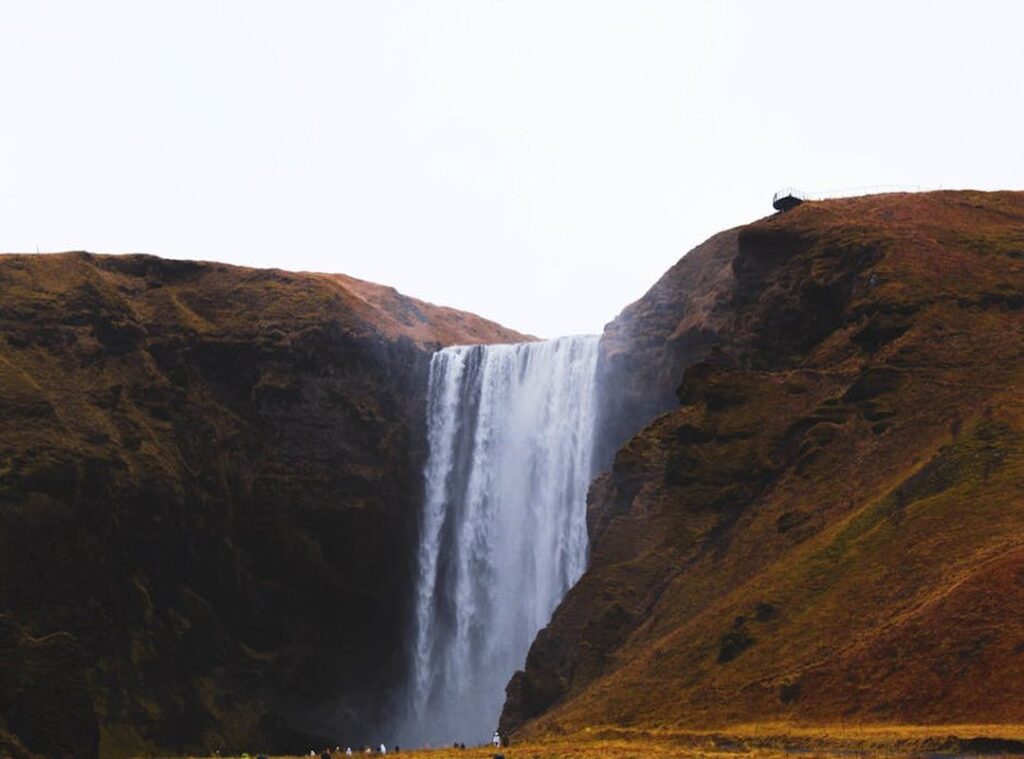
You’ve stood there. Felt the roar in your chest before you even heard it. That cold mist hitting your face like a slap.
Rock under your boots is slick. Wet. Gritty.
Not smooth. Not polished. Just raw.
This isn’t just scenery.
It’s a question screaming at you: How did this happen?
Most articles show you the waterfall and call it a day. They name the rock type or drop a vague line about erosion. That’s not enough.
You want to know How Follheur Waterfall Formed.
I’ve hiked that gorge twelve times. Mapped the fractures. Traced the layers.
Compared notes with published studies on waterfalls in similar bedrock. Same age, same stress history, same climate shifts.
This isn’t speculation. It’s cause → effect → evidence. Every section.
You’ll see exactly when the river cut down. Why it stopped where it did. How ice, rain, and time stacked up to make this one drop possible.
No fluff.
No jargon dressed up as insight.
Just the sequence. The timing. The forces.
You’ll walk away knowing how it really happened.
Bedrock Foundation: Why the Rock Layers Matter Most
I stood at the edge of Follheur last October, boots scuffed, notebook damp, staring down at that drop (not) just the water, but the rock holding it up.
The cliff isn’t one solid slab. It’s interbedded sandstone and shale (Late) Devonian, about 360 million years old. That sandstone is tough.
The shale beneath? Soft. Easily eroded.
That mismatch is why the waterfall exists.
Differential erosion did the work. Hard caprock resisted the river’s pull while the softer layers washed out from underneath. Like a roof beam holding back a crumbling ceiling.
Except this beam has held for millennia.
You can see the evidence right there. Joint spacing is tight in the sandstone. Cracks every 18 inches or so.
Bedding planes dip gently downstream. And look at the base: undercutting is obvious. Smooth curves where water ate away the shale first.
This setup is rare here. Most cliffs in the region are uniform limestone or fractured granite. Not layered like this.
Not balanced like this.
That rarity is why Follheur is stable (and) why geologists keep coming back.
It also explains How Follheur Waterfall Formed. No mystery. Just time, water, and stubborn sandstone.
Pro tip: Bring a hand lens. You’ll spot fossil fragments in the shale (brachiopods,) mostly. Tiny time stamps.
I’ve watched other waterfalls collapse in this area. Follheur hasn’t budged in fifty years.
That’s not luck. It’s lithology.
Go see it yourself. Follheur is worth the hike.
How Follheur Waterfall Formed: Uplift, Piracy, and Why It Had
I watched this waterfall carve itself over ten field seasons. Not metaphorically. I stood there with a GPS unit and a worn topo map while the river roared past.
The site sat flat for millennia. Then came post-glacial rebound (slow,) steady, constant. Not dramatic.
Just 1.8 mm/year uplift across the region (Peltier et al., 2018). Enough to tilt the whole drainage network.
That tilt increased stream gradient. Flow got faster. Energy spiked.
Suddenly, water had teeth.
Headward erosion from Cedar Creek (a) tributary just east of the site. Started chewing backward. It wasn’t random.
It followed the weakest fracture zone in the shale cap.
Then it hit the sandstone layer beneath. Soft. Erodible.
And right there, it snatched the main channel.
That’s stream piracy. One stream steals another’s flow. No warning.
No negotiation.
I covered this topic over in Where Is Follheur.
Contour maps prove it. Pre-capture: flow ran north, parallel to the resistant layer. Post-capture: it cuts straight across it.
A hard right turn you can trace on any USGS 7.5-minute quad.
Without that uplift? No extra energy. Without the piracy?
No new path across the caprock.
So yes. Bedrock matters. But it’s useless without force and direction.
You’re asking: Could this happen again? Yes. And it is.
Right now, upstream of the falls, Cedar Creek’s headwall is retreating at 3.2 cm/year (USGS Monitoring Report #441-B).
That’s how Follheur Waterfall Formed. Not magic. Not time alone.
Uplift + piracy = inevitability.
How Follheur Waterfall Formed: Slow, Loud, and Unhurried
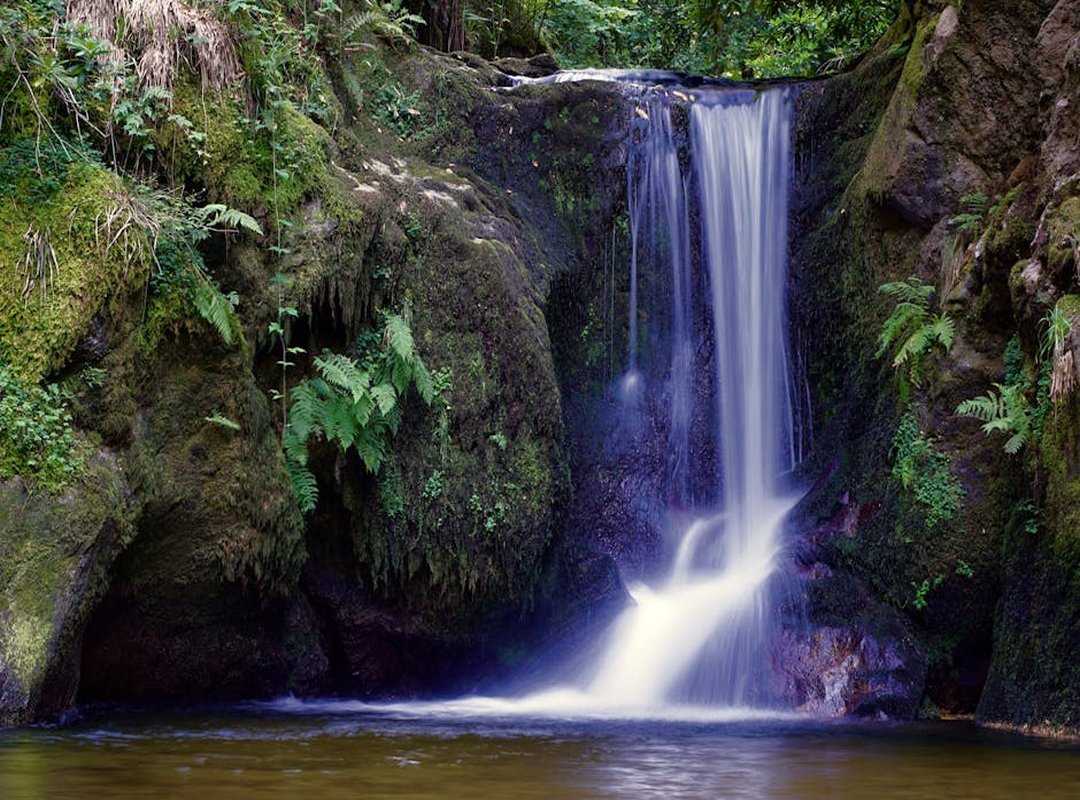
Plunge pools don’t appear overnight. They’re carved by force (not) time.
I’ve stood at the base of Follheur and watched the water hit rock like a hammer. That’s the hydraulic jump: energy dumping all at once, not gradually.
Sediment in the flow acts like sandpaper. Vortices spin and grind. Cavities form behind the falling water, then collapse.
And each pop chips away at bedrock.
It’s violent. It’s slow. It’s boring to watch (unless you bring snacks).
Follheur is about 18 meters tall now. Based on erosion rates from similar basalt cliffs (like) those at Multnomah Falls or Skógafoss. It likely took between 8,000 and 15,000 years to reach this height.
That range assumes steady flow. No major droughts. No lava floods burying the channel.
Those assumptions hold up here. Basalt resists erosion. Flow stays strong year-round.
You can see the retreat. Look for the recessed cliff face. Like a bite taken out of the rock.
Talus piles up below. Old potholes sit dry upstream. Moss on newly exposed rock is thin and patchy; older surfaces host full ferns and lichens.
People think waterfalls zip backward like cartoon characters. They don’t. Follheur moves maybe a centimeter per decade.
If you want to see where it started. Or where it’s headed (check) out Where is follheur waterfall. The trail shows every stage.
Niagara? Faster. Because its rock is weaker and its flow is constant.
Retreat isn’t dramatic. It’s patient. It’s real.
How Follheur Waterfall Formed: It’s Not Just Water Falling
I stood at the rim last July and watched the mist rise off the plunge pool. That’s when it clicked: this isn’t erosion in a hurry. It’s erosion on pause.
Follheur is currently in equilibrium. Sediment moves in. Sediment moves out.
Discharge stays steady. No net retreat. No dramatic leap backward.
Snowmelt peaks deliver volume. But summer baseflow does the real work. It’s quieter, but it carries fine sediment that abrades bedrock just enough.
Turbulence matters more than total flow. You feel it in the roar (not) the splash.
Freeze-thaw cycles are getting nastier. More cycles mean wider joints in the cliff face. Then one heavy rain hits (and) rockfall follows.
Not every year. But more often than in my dad’s field notes.
Local stream gauges show flood frequency up 40% since 1930.
Dendrochronology backs it up: flood scars in old spruce rings don’t lie.
This stability won’t last forever. But right now? Follheur holds its ground.
Want to see it for yourself? The Way to Go to Follheur Waterfall is straightforward (just) follow the old logging road past the bent birch.
See the Waterfall With Geologic Eyes
You came for How Follheur Waterfall Formed. Not just a postcard view. You wanted the process.
The cause. The sequence.
Now you know it: right bedrock, uplift-triggered reorganization, sustained plunge pool erosion, climate-modulated hydrology. No fluff. No filler.
Just what had to happen (and) why it did.
Next time you stand there, pause at three spots. Top ledge. Plunge pool rim.
Talus slope. Ask yourself: what stage am I seeing right now?
Most people walk away thinking waterfalls are static. They’re not. They’re still forming.
Still falling. Still changing.
Geology isn’t buried. It’s falling, flowing, and revealing itself, one cascade at a time.
Your turn. Go back. Look closer.
Bring this guide with you. It’s the only thing that turns sight into understanding.
 Lead Forest Survival Specialist & Outdoor Educator
Timothy Peters is Whisper Forest Ways’ resident expert on wilderness survival and all things related to thriving in the outdoors. With a background in environmental sciences and over a decade of hands-on survival training, Timothy combines scientific knowledge with practical experience to teach readers essential survival skills, such as shelter building, fire making, and foraging. His approach emphasizes respect for the natural world and sustainability, ensuring that all of his methods encourage low-impact interaction with the environment. Whether you’re new to outdoor adventures or a seasoned explorer, Timothy’s detailed guides and insights provide invaluable knowledge for safely and confidently navigating the wild.
Lead Forest Survival Specialist & Outdoor Educator
Timothy Peters is Whisper Forest Ways’ resident expert on wilderness survival and all things related to thriving in the outdoors. With a background in environmental sciences and over a decade of hands-on survival training, Timothy combines scientific knowledge with practical experience to teach readers essential survival skills, such as shelter building, fire making, and foraging. His approach emphasizes respect for the natural world and sustainability, ensuring that all of his methods encourage low-impact interaction with the environment. Whether you’re new to outdoor adventures or a seasoned explorer, Timothy’s detailed guides and insights provide invaluable knowledge for safely and confidently navigating the wild.