

Why Your Environment Matters for Quality Sleep
Creating the right sleep environment isn’t just about aesthetics it’s rooted in science. The way your brain processes sensory input directly affects how quickly you fall asleep and how deeply you rest. Understanding these dynamics helps you shape a nightly routine that works with your body, not against it.
How Sensory Input Impacts Sleep Cycles
Your brain responds to environmental cues to regulate sleep wake patterns, also known as circadian rhythms. Sensory elements especially what you hear and smell can either help or hinder this process.
Sound and Silence: Constant or disruptive noise can interfere with the brain’s transition into sleep. In contrast, consistent background sounds like white or pink noise help stabilize sleep cycles.
Scent and the Brain: Smells interact with the limbic system, the part of the brain responsible for emotions and memory. Calming scents can signal to your brain that it’s time to wind down.
Calming the Nervous System
As bedtime approaches, the goal is to shift your nervous system from “go mode” (sympathetic) to “rest mode” (parasympathetic). Sound and scent are two of the most effective tools to make this transition feel natural.
Soft, repetitive sounds promote relaxation and reduce racing thoughts
Grounding scents like lavender and cedarwood lower cortisol levels and ease physiological tension
Environmental Sleep Disruptors to Avoid
Certain elements in your space might be sabotaging your rest without you realizing it.
Noise Pollution: Sudden sounds, urban traffic, or TV chatter can trigger micro awakenings throughout the night.
Synthetic Fragrances: Artificial scents can be overstimulating or irritating, depending on sensitivity.
Harsh Lighting: Bright LED lights in the evening suppress melatonin production, delaying sleep onset. Instead, opt for warm, dim lighting in your wind down hours.
By minimizing disruptions and aligning your surroundings with natural calming signals, you give your mind and body the best chance at deep, restorative sleep.
Grounding with Sound: What Really Works
Creating a calming acoustic environment can significantly impact your ability to fall and stay asleep. The right sounds can support brainwave alignment, deepen relaxation, and help ease you into restorative sleep.
Types of Sounds That Support Rest
Not all sounds are created equal when it comes to improving sleep quality. Here are the most effective types:
White noise: A consistent sound across all frequencies. Helps mask intrusive noises such as traffic or loud neighbors.
Pink noise: Similar to white noise but with deeper, softer frequencies. Studies suggest it may improve deep sleep and memory.
Nature sounds: Think rainfall, forest ambiance, ocean waves, or gentle streams. These sounds are particularly effective for reducing heart rate and calming the nervous system.
Understanding Brain Entrainment
Brain entrainment refers to the way your brain’s rhythm synchronizes with auditory input. Certain sounds, especially those with a rhythmic or harmonic quality, can:
Align with the brain’s natural sleep cycles (like REM and deep sleep)
Promote slower brainwaves associated with relaxation, such as alpha and theta states
Help transition the mind out of wakeful thinking into a more meditative, restful state
Which Sound Is Right for You?
Picking the right sleep sound depends on your environment, sleep challenges, and personal preferences. Here’s how to decide:
Trouble falling asleep? Try pink noise or calming nature scenes like rainfall or forest wind.
Waking up due to background noise? Use white noise to block environmental interruptions.
Need emotional calm? Ocean waves or soft ambient music can ease mental chatter.
Testing different sound types across a few nights can help you understand what works best for your body and mind.
Build Your Own Nighttime Ritual
Looking to incorporate sound more intentionally into your wind down routine? Check out this guide on using nature sounds for a deeper dive. It includes tips on timing, playlist creation, and pairing audio with other relaxation techniques.
Remember, the goal isn’t volume it’s harmony. Support your sleep by designing a soundscape that speaks to your senses, not overpowers them.
Scents That Trigger Rest Mode
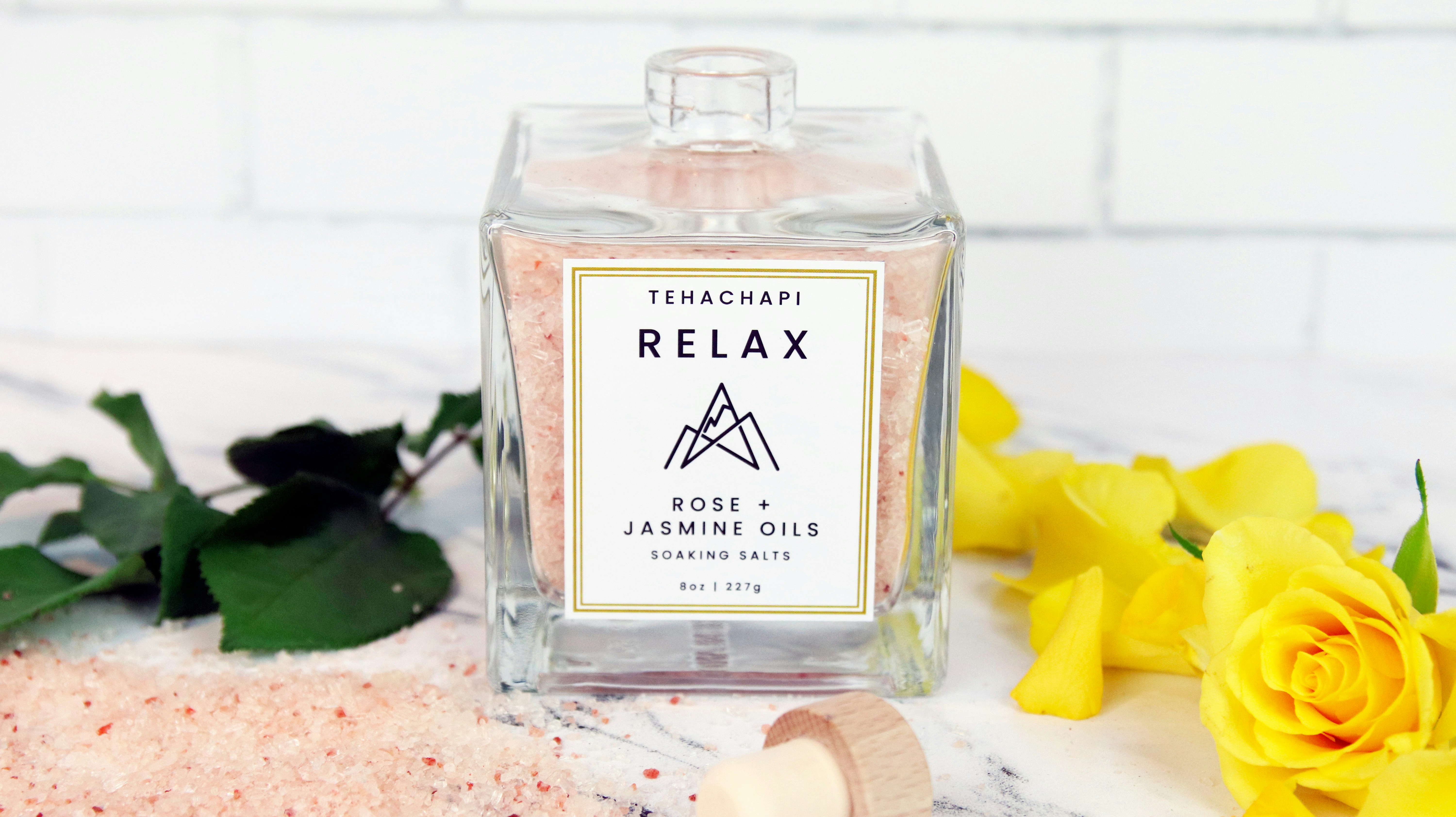
Aromatherapy isn’t magic it’s simple brain chemistry. When you breathe in certain natural scents, they interact with the limbic system, the part of your brain in charge of emotion and memory. That’s why a calming smell can lower your blood pressure or quiet your racing thoughts. It’s also why the right scent at night can help your mind power down.
Some scents stand out for sleep. Lavender has the most street cred clinical studies show it slows heart rate and eases blood pressure, physically prepping you for rest. Chamomile doesn’t just calm the gut as a tea it’s anti anxiety in aroma form too. Cedarwood and sandalwood lean woody and warm. They’re grounding. Both have shown muscle relaxing effects, which can help the body unwind after a heavy day.
Using these oils is low effort. A diffuser with a few drops does the trick. Pillow sprays are mess free and subtle. Or put a drop or two on your bedding just go easy, especially if the scent is strong. The goal isn’t to overpower your space. It’s to create just enough of a cue for your body to shift gears.
Less is more. Consistency is better than intensity.
Stacking Sounds and Scents for Best Results
Timing is the secret weapon here. Don’t just light a candle or play a forest stream on loop and expect instant results. For real impact, start layering these elements into your last 30 60 minutes before sleep. That window is when your brain is most responsive to sensory cues that tell it, “it’s time to shut down.”
Build a routine that’s simple but consistent. Pick a soft ambient track think rainfall, rustling leaves, or low tides and match it with a light scent that doesn’t overpower. A few drops of lavender oil in a diffuser while pink noise hums along in the background? That’s a combo that signals calm without trying too hard.
You don’t need a drawer full of oils or a dozen playlists. Two or three go to mixes that you genuinely like are better than a half baked rotation. The key is pairing sound and scent in a way that becomes muscle memory for your nervous system.
For more on picking the right nature sounds and mixing them properly, check out the guide on using nature sounds. Go custom. Make it yours.
Noteworthy Extras
You don’t need a boutique sleep setup to get better rest. Skip the $400 sleep trackers and futuristic beds. What actually helps? A basic diffuser, a reliable sound machine or speaker, blackout curtains if your space needs them. That’s about it. Keep the gear simple so it doesn’t become another source of stress.
Same goes for apps. Look for ones that get out of your way and don’t ping you with reminders or ads. A few solid playlists (think soft rain, forest ambiance, or low frequency noise) downloaded and ready to go offline are enough. You want initiatives, not interruptions.
Consistency is where the difference lives. Not in breaking your routine to try some “optimized hack” every third night. Start small. Same scent, same sound, same shutdown time. Repeat. You’re training your brain to recognize the cue: now we rest. Make it simple enough you’ll actually do it even when you’re tired, even when you “don’t have time.” That’s what makes it stick.
Real Rest is Natural
Return to a Calmer Baseline
Modern life floods us with stimulation bright screens, scattered noise, and synthetic scents that confuse our senses. To truly unwind, our bodies need an intentional return to simplicity. Resetting your sensory environment each evening can signal to your nervous system that it’s safe to rest.
Dim the lights at least 30 minutes before bed
Turn off alerts and notifications to reduce digital chatter
Use familiar, comforting scents and gentle sounds to ease out of alert mode
This quieting of the senses isn’t just relaxing it’s neurological. Giving your brain less to process allows it to shift from alert to rest mode more smoothly.
Trust the Body’s Natural Rhythm
Deep, restorative sleep isn’t something we force it’s something we set the stage for. Once external stressors quiet down, the body knows how to take over. Hormones like melatonin rise naturally in the right conditions, and the parasympathetic nervous system kicks in to support sleep.
Avoid overstimulating activities before bed (like doomscrolling or intense workouts)
Send consistent signals each night with scent, sound, and light cues
Give yourself permission to rest not just physically, but mentally
When your sleep environment aligns with your body’s instincts, rest becomes a natural result not a daily battle.
Final Reminder
You don’t need dramatic routines or expensive gear. A few natural, consistent cues are more powerful than you think. Strip it back, simplify, and let your nervous system remember what calm feels like. That’s where real rest begins.
 Hiking Trail Guide Expert & Outdoor Adventure Curator
Keturaha Perrymaners is an experienced trail guide and hiking enthusiast with an unparalleled passion for discovering and exploring nature’s most beautiful and secluded paths. As the hiking trail expert at Whisper Forest Ways, Keturaha curates comprehensive guides that cover everything from beginner-friendly walks to challenging multi-day treks. Her deep knowledge of terrain, weather patterns, and outdoor safety ensures that her recommendations cater to hikers of all levels, helping them prepare for their adventures with confidence. Whether you’re seeking scenic trails for mindfulness walks or rugged paths for a physical challenge, Keturaha’s expertly crafted guides provide the insights and inspiration you need to venture into the wilderness and fully immerse yourself in nature’s beauty.
Hiking Trail Guide Expert & Outdoor Adventure Curator
Keturaha Perrymaners is an experienced trail guide and hiking enthusiast with an unparalleled passion for discovering and exploring nature’s most beautiful and secluded paths. As the hiking trail expert at Whisper Forest Ways, Keturaha curates comprehensive guides that cover everything from beginner-friendly walks to challenging multi-day treks. Her deep knowledge of terrain, weather patterns, and outdoor safety ensures that her recommendations cater to hikers of all levels, helping them prepare for their adventures with confidence. Whether you’re seeking scenic trails for mindfulness walks or rugged paths for a physical challenge, Keturaha’s expertly crafted guides provide the insights and inspiration you need to venture into the wilderness and fully immerse yourself in nature’s beauty.