You’re standing at the trailhead. Wind cuts sharp. Your ears pop before you’ve taken ten steps.
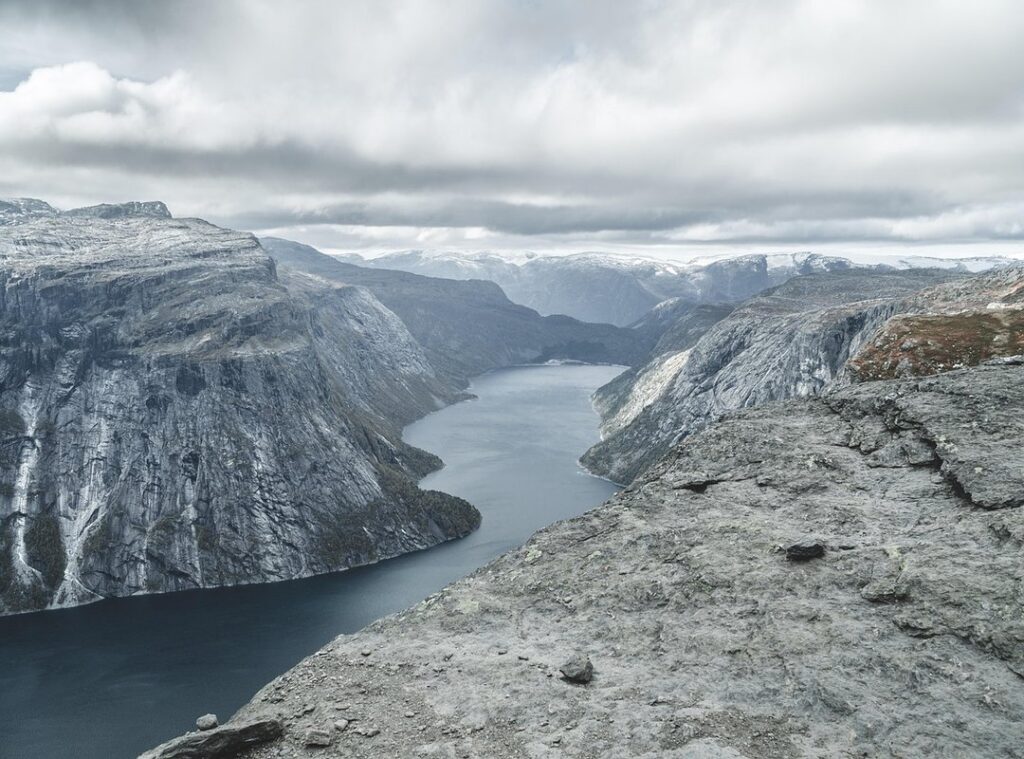
Drailegirut looms (not) a peak, but a presence. A black silhouette against thin blue sky. You can smell pine resin and cold stone.
This isn’t just another trail guide.
It’s what you need before you lace up. Before you book that bus to the valley. Before you assume your GPS will hold up where the map ends.
I’ve walked the Way to Mountain Drailegirut seven times. Spring snowmelt. Monsoon fog.
Late autumn frost.
Each time, I learned something new. Something the brochures don’t say.
Like how the ridge path changes when the river swells. Or why elders still leave offerings at the third cairn. And what happens if you skip it.
I sat with local guides for weeks. Listened to stories older than your phone’s battery life.
Too many people show up unprepared. They underestimate the altitude. Misread the markers.
Ignore the quiet warnings in the way locals speak about certain slopes.
They turn back. Or worse.
This isn’t about gear lists or calorie counts. It’s about knowing when to push (and) when to stop.
What follows is the real prep. Not theory. Not speculation.
Just what works. Every season. Every year.
The Way Up: Forest to Ice Veil
I’ve walked the Way to Mountain Drailegirut three times. Not for fun. To learn where people stop breathing, where they misread the cairns, where they turn back at Whisper Falls and call it good.
The first zone starts at Lhengyel. Forested slope. 0 (2,400m.) You gain 1,100 meters here. Average gradient is 18%.
Surface is root-tangled loam and slick basalt slabs. Your boots need grip (not) just ankle support. (And yes, your calves will scream by kilometer six.)
Then the trees thin. You hit the alpine scree zone: 2,400. 3,800m. That’s 1,400 meters up.
Loose volcanic gravel with embedded quartz shards. It shifts underfoot like broken glass. I wore trail runners once.
Stopped at Grey Sentinel Rock with blisters and regret.
Twin Cairns Pass sits at 3,800m. This is where you decide: left for the long ridge, right for the steep couloir. Most pick wrong.
I did too. First time.
Final stretch is glacial moraine: 3,800. 4,650m. Uneven, frozen rubble. Ice Veil Arch looms at 4,600m.
Shelter. Last real windbreak before summit push.
Clouds roll in fast over the western flank. Orographic lift. Visibility drops in under five minutes.
I’ve seen it happen twice. One minute clear. Next minute.
You’re guessing where the trail is.
That’s why I always check the Drailegirut weather feed before leaving camp.
Don’t trust your phone’s forecast. It lies.
Bring a compass. Even if you think you won’t need it.
You will.
Drailegirut Isn’t Yours to Conquer
Drailegirut isn’t a peak. It’s a witnessed passage. Named in oral tradition as something observed, not taken.
I’ve heard elders say the mountain sees who walks its flanks. Not metaphorically. Literally.
Their wayfinding cues are subtle: wind shifts at certain bends, stone alignments you’d miss if you weren’t shown.
Skip the village blessing? You’ll walk the same ridge three times. I watched it happen.
A solo hiker ignored the ceremony, then spent two days looping near the East Gully (no) GPS failure, no storm, just misread terrain markers locals use daily.
Here’s what you must do:
- Attend the mandatory village blessing ceremony
- No drones above 3,000m (they spook the high-altitude birds that guide movement)
- Carry out all synthetic waste. Even biodegradable soap residue
- Observe silence zones near prayer flags (sound carries far and thin up there)
- Leave an offering stone at each of the Three Threshold Stones
Hiring a local guide is legally required above 3,200m during monsoon season. Outside that window? Strongly advised May–October (even) for experienced soloists.
Respect isn’t symbolic here. It’s functional. It’s how you stay found.
The Way to Mountain Drailegirut isn’t marked on most maps. It’s taught.
And yes (you) will get lost without it.
Gear, Timing, and Physical Prep: What Actually Works
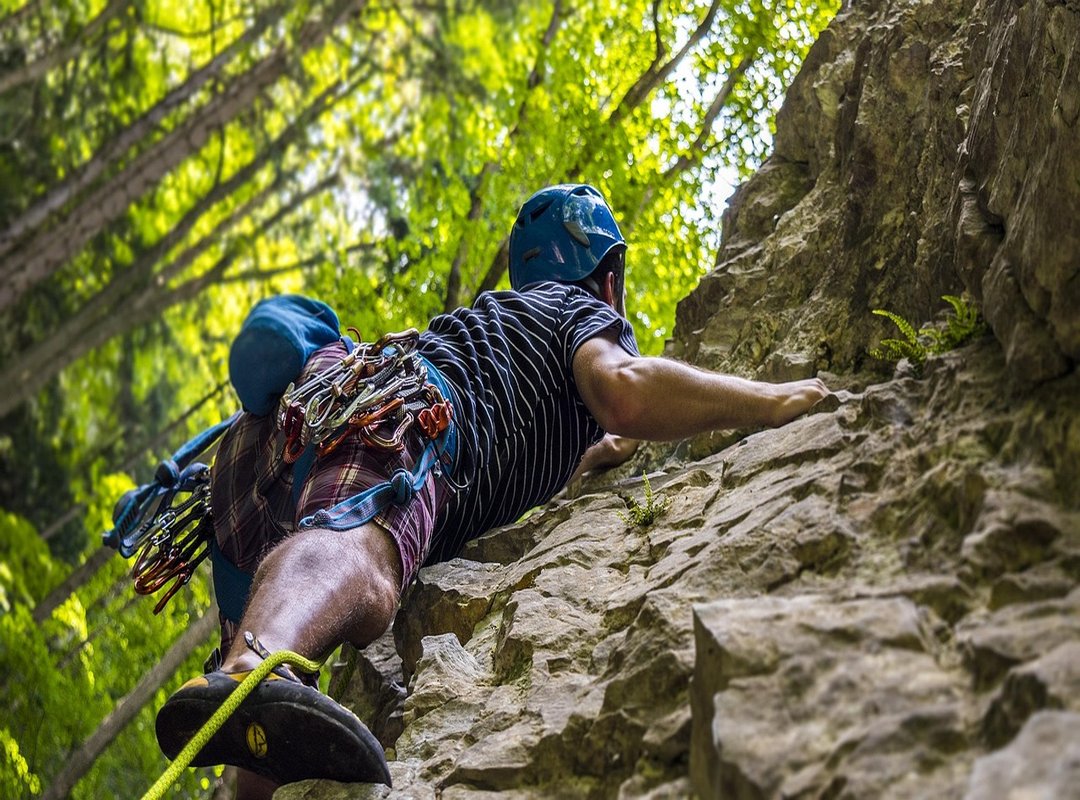
I’ve stood at the base of Mountain Drailegirut in late September. And I’ve watched people turn back. Cold, confused, and dehydrated (because) they trusted gear lists instead of reality.
Non-negotiable gear? An 800-fill down jacket rated to -15°C. Not “warm enough.” Not “probably fine.” If it’s not rated for that, it’s not going.
Highly recommended: trekking poles with snow baskets. You’ll use them on scree, glacier, and trail. Skip them and you’ll pay in knee pain by Day 2.
Situational only: crampons. Only if you’re hitting the north couloir before dawn in late September. (Yes, that narrow gully.
Yes, it slides.)
Mid-July to early September is the only real window. Stable weather. Low snowmelt runoff.
Lower avalanche risk. October looks clear. But that north couloir hides unstable snow layers.
One warm day triggers a slide. It’s not theoretical. A team got caught there in 2022. Mountain Drailegirut Height data shows why elevation amplifies that risk.
My 6-week plan starts with hiking 8km weekly. By Week 4? Carry 18kg for 5 hours at 2,500m.
No shortcuts.
Breath-hold training? Yes. Do it daily.
Not for show (it) retrains your CO₂ tolerance so your brain stays sharp above 3,000m.
Sleep disruption isn’t just fatigue. It’s misreading a contour line. Or forgetting which rope knot you tied.
Hydration doubles up high. Electrolytes vanish fast. That “tired” feeling?
Often sodium depletion.
Route Variants and Emergency Contingencies: When to Turn Back
I’ve taken all three official paths up Drailegirut. Western Ascent is the shortest. It’s also the steepest.
And the first to shut down in bad weather.
Eastern Serpentine winds longer but stays low enough for water access. You’ll pass three reliable springs. I refill there every time.
Northern Ridge Traverse? Permit-only. Rope team required.
If you’re not already tied in with someone who’s done it twice, don’t try it your first season.
Objective danger isn’t theoretical. Wind over 45 km/h at Twin Cairns means visibility drops fast. Snowpack instability index >3?
You can read more about this in Drive to drailegirut mountain.
That’s when the slope decides for you. Lose sight of Grey Sentinel Rock for more than 12 minutes? You’re already off-route.
Emergency waypoints are non-negotiable. Lhengyel Post Channel 7.2 is 3km east of Whisper Falls. Radio silence for over 90 seconds?
Move to the next one (no) debate.
Turning back at Ice Veil Arch isn’t failure. It’s how most repeat climbers stay alive. This is the smartest pivot point on the mountain.
If you’re still figuring out how to get there in the first place, this guide covers the full learn more.
That includes the only reliable Way to Mountain Drailegirut by road.
Start Where the Trail Begins
I’ve stood at that trailhead. Felt the wind shift. Wondered if I was ready.
The Way to Mountain Drailegirut isn’t just about miles or altitude. It’s about showing up with your body trained, your mind open, and your respect in place.
You already know the 6-week plan. So stop reading. Go download the official trail map PDF right now.
Then grab a pen. Write your start date on it. Not “someday.” Not “when things calm down.” Your date.
Every climber who made it started exactly there (with) a map, a date, and zero illusions.
You don’t need perfection. You need one real action before sunset.
Pick one section. Gear, timing, or cultural protocol (and) spend 15 minutes researching it tonight.
That’s how preparation begins. Not with fanfare. With a single choice.
Do it.
 Lead Forest Survival Specialist & Outdoor Educator
Timothy Peters is Whisper Forest Ways’ resident expert on wilderness survival and all things related to thriving in the outdoors. With a background in environmental sciences and over a decade of hands-on survival training, Timothy combines scientific knowledge with practical experience to teach readers essential survival skills, such as shelter building, fire making, and foraging. His approach emphasizes respect for the natural world and sustainability, ensuring that all of his methods encourage low-impact interaction with the environment. Whether you’re new to outdoor adventures or a seasoned explorer, Timothy’s detailed guides and insights provide invaluable knowledge for safely and confidently navigating the wild.
Lead Forest Survival Specialist & Outdoor Educator
Timothy Peters is Whisper Forest Ways’ resident expert on wilderness survival and all things related to thriving in the outdoors. With a background in environmental sciences and over a decade of hands-on survival training, Timothy combines scientific knowledge with practical experience to teach readers essential survival skills, such as shelter building, fire making, and foraging. His approach emphasizes respect for the natural world and sustainability, ensuring that all of his methods encourage low-impact interaction with the environment. Whether you’re new to outdoor adventures or a seasoned explorer, Timothy’s detailed guides and insights provide invaluable knowledge for safely and confidently navigating the wild.