
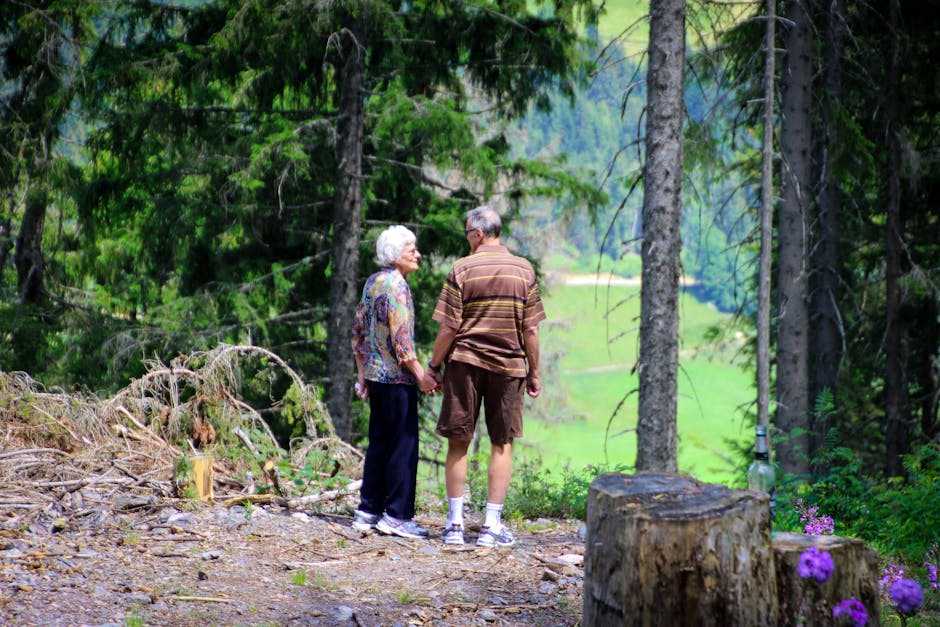
What Happens When You Walk Among Trees
Step into a forest, and your body knows it before your brain does. Cortisol levels the hormone tied to stress drop. Blood pressure eases off the throttle. You physically start to unwind. This isn’t just some poetic idea; it’s hard science. Even 20 to 30 minutes in a wooded environment can trigger measurable changes in your nervous system. Heart rate slows. Breathing deepens. Your system exits fight or flight mode and enters rest and digest.
Then there’s the immune system. Trees emit natural compounds called phytoncides, which you breathe in during walks among pines, oaks, and cedars. Studies out of Japan, where forest bathing (Shinrin yoku) became a formal therapeutic practice in the 1980s, show that phytoncides can increase the activity of natural killer cells your body’s frontline defenders against infection and inflammation.
In short, walking in a forest isn’t just relaxing. It’s regenerative. It rewires stress responses, strengthens immunity, and grounds your body in a slower, smarter rhythm. And it doesn’t require hours or equipment just presence and a good pair of shoes.
Mental Clarity Through Nature
Nature beats screens. Every time. Your brain isn’t wired to refresh itself on a Twitter scroll or in the blue light haze of one more tab. But step into a forest a real space, with rustling branches and earth underfoot and everything shifts. You breathe deeper. Your shoulders drop. Your mind, scattered just minutes before, starts to stitch itself back together.
Research backs it. Forest settings accelerate recovery from mental fatigue. Cognitive scientists call it “attention restoration.” Basically, nature works gently in the background, giving your brain room to process, file away stress, and reset. That translates into better focus, clearer thinking, and, for creatives, a spark that rarely comes while tapping away at a desk.
And you don’t need hours. Fifteen to twenty minutes of outdoor immersion daily is enough to reduce cortisol, regulate mood, and sharpen awareness. The bonus? Natural light syncs with your circadian rhythm, setting your body up for better energy and deeper sleep.
The more you show up among trees, the more your nervous system notices. You stop bracing. You start noticing.
Explore more on the healing power of nature
Movement That Heals, Not Hurts

You don’t have to crush a workout to support your health. Walking forest paths offers a low impact, restorative kind of movement that actually supports recovery, not just performance. Unlike concrete sidewalks or gym flooring, natural terrain like dirt, grass, or pine covered trails gives under your feet. That means reduced impact with every step less strain on knees, ankles, hips. Especially important for those navigating injury, arthritis, or simply the wear and tear of daily life.
But there’s more. Moving outside, in nature, doesn’t just feel better physically it makes the habit easier to keep. There’s no monthly fee, no clunky machines, no crowded weight rooms. Just you and a path. The scenery changes, the air shifts, and without trying too hard, you find yourself coming back tomorrow. And then again after that. That’s the kind of consistency most people only dream about in a gym.
In short, forest walking isn’t just gentler exercise it’s sustainable, approachable, and in tune with how our bodies were built to move.
Sleep and Stress: Quiet Paths to Better Rest
Nature doesn’t just help you hit your step count it resets your internal clock. Exposure to natural light during daily forest walks helps synchronize your circadian rhythm, the body’s natural sleep wake cycle. Sunlight in the morning sends a clear signal to the brain: it’s time to be awake. Later, as daylight fades, your body starts prepping for rest. Compare that with indoor lighting and screen glow, which confuse your rhythm more than you’d think.
Then there are the sounds the real ones. Wind through trees, birds calling, leaves underfoot. These ambient cues do more than calm the mind; they work on a deeper biological level, lowering cortisol levels and priming your nervous system to wind down. The result? Less tossing and turning when your head hits the pillow.
Over time, stress levels drop. The brain learns to come off high alert. Emotional resilience builds not through big breakthroughs, but steady, quiet rituals like walking a familiar trail. In a world that rarely slows down, forest walks show you how and why you should.
Building a Habit That Sticks
Creating a consistent forest walking routine doesn’t require drastic life changes it just calls for intention and a bit of planning. By aligning your walk with your lifestyle and incorporating mindful elements, it can become a daily anchor for your well being.
Start with Simplicity
Building a habit is easier when it feels doable from day one.
Set a time that works consistently, whether it’s morning clarity, a midday refresh, or an evening unwind
Start small: even 10 15 minutes a day can make a noticeable impact
Commit to consistency over intensity the key is showing up daily, not hitting a step count
Pick Locations That Energize, Not Exhaust
The success of your routine often comes down to how easy and enjoyable it is.
Choose nearby forest trails or wooded parks you can reach without extra stress
Match trail difficulty with your current energy levels and goals
Switch routes occasionally to keep things fresh and engaging
Make It Meditative: Add Breath or Reflection
Walking becomes more than physical when paired with mental clarity practices.
Practice deep or rhythmic breathing as you walk to calm the nervous system
Use the time for quiet reflection or observation, noticing sounds, textures, and light
If helpful, try walking without distractions leave music and podcasts for other moments
Tap into the deeper benefits behind the healing power of nature
Real Change, One Walk at a Time
There’s no magic number of minutes or perfect trail for daily nature exposure. But the people who do it, day after day, tend to move the wellness needle further than those hitting the gym once a weekend or going on the occasional retreat. The secret? Compounding benefits. Just like investing, small habits done regularly build real momentum and walking in nature is one of the most potent.
When you keep at it, your body starts to regulate itself more easily. Cortisol levels even out. Sleep comes smoother. Your mind transitions faster from scattered to focused. None of this happens overnight, and some days the benefits feel subtle. But over time, the shift adds up. You don’t just feel better you operate differently.
In a landscape crowded with biohacks and quick fixes, this is the simplest move you can take: put your shoes on, step outside, and do it again tomorrow. Daily, not heroic. Consistent, not complicated. That’s where the real change lives.