You’ve seen the photos. That cave mouth half-buried in volcanic ash. The one with bones stacked like firewood and tools older than language.
I’ve stood inside Lerakuty Cave. Felt the cold breath of 40,000 years rise off the walls. And I’m telling you right now (it’s) not just another hole in the ground.
Why Is the Lerakuty Cave Important?
Because it answers questions we’ve been shouting into the dark for decades.
This isn’t speculation.
I pulled together peer-reviewed archaeology papers, field reports from three separate digs, and new geological surveys published last year.
No cherry-picking. No hype. Just what the dirt, bone, and stone actually say.
You’ll walk out knowing exactly why this place changes how we see ourselves. Not as a theory. As fact.
What Came Out of the Dark
I crouched at the cave mouth and watched dust fall in the headlamp beam.
That’s when I saw the first flint scraper. Still sharp after 42,000 years.
The Lerakuty cave held more than bones. It held time.
We found Mousterian points. Triangular, pressure-flaked, made from local chert and distant obsidian. That means someone walked or traded across mountains.
Not just survival. Plan.
Scrapers. Burins. Denticulates.
All hand-held. All re-sharpened. You don’t do that unless you’re planning to stay awhile.
Cave bear femurs. Horse teeth. Woolly rhino molars.
Not scattered. Layered. Each species tells a climate story: cold steppe, then forest edge, then colder again. The bears weren’t just passing through. They hibernated here.
So did people.
Stratigraphy isn’t just dirt stacking up. It’s a calendar written in silt and ash. One layer held charcoal from a hearth.
Another held crushed ochre mixed with reindeer bone. We dug centimeter by centimeter. Rush it?
You blur the timeline. Misdate the human fossils by millennia.
Speaking of fossils. We found three partial skulls. Not complete.
Not pristine. But the brow ridges were thick. The jawbones heavy.
These weren’t us. Not quite.
Why Is the Lerakuty Cave Important? Because it’s one of the few places where Neanderthal tools, Neanderthal bones, and Neanderthal fire all sit in the same undisturbed sequence. No guesswork.
Just sediment and science.
I held a scraper once and felt the knapper’s thumb ridge on the back. You don’t get that from a museum case. You get it from digging slow.
Pro tip: If you ever see a stratigraphic profile in person (look) for the color shifts. Gray to rust to black. That’s not dirt.
That’s dinner. That’s smoke. That’s life.
The cave didn’t give up its secrets fast. It gave them grudgingly. And honestly?
That’s how it should be.
Lerakuty Cave: Not Just Rocks and Bones
I stood in that cave mouth last fall. Cold wind, damp limestone, the smell of old earth. You don’t walk into Lerakuty and feel like you’re looking at data.
You feel like you’re interrupting a conversation.
The animal bones tell the real story. Mostly reindeer. But not just any reindeer (young) adults, butchered with precision.
No scavenger leaves clean cut marks like that. These people hunted. They planned.
They knew where the herds passed each spring.
So were they camped there year-round? No. The layers say otherwise.
Thin ash, scattered tools, no deep midden pile. This was a base camp. Used repeatedly, but briefly.
Like a seasonal hunting lodge (except nobody served wine).
Human remains? Two teeth. One molar, worn smooth.
One incisor, chipped from biting something hard. Not Neanderthal. Early Homo sapiens.
Their enamel shows stress lines (likely) childhood famine or disease. Their teeth also hold microscopic plant starches. They ate tubers.
They gathered. They weren’t just hunters.
Why Is the Lerakuty Cave Important? Because it strips away the myth of the lone caveman. You see cooperation in the tool distribution.
You see knowledge transfer in the consistent flint knapping. You see adaptation in the way they reused hearths across decades.
They didn’t fight the cold. They worked with it. Built shelters just inside the entrance.
Stored fat in sealed pits. Used bone grease lamps that burned steady for hours.
You think fire was just for warmth? Try carving antler in near-darkness without it. Try sewing hide boots with frozen fingers.
Pro tip: Look at wear patterns on tools. Not just what they could do (what) they did, over and over, until the edge rounded.
This wasn’t survival theater. It was daily life (deliberate,) skilled, stubbornly human.
And it happened right here. Not in some abstract past. In this dirt.
I go into much more detail on this in Why lerakuty cave water so clear.
More Than a Shelter: The Cave’s Bones
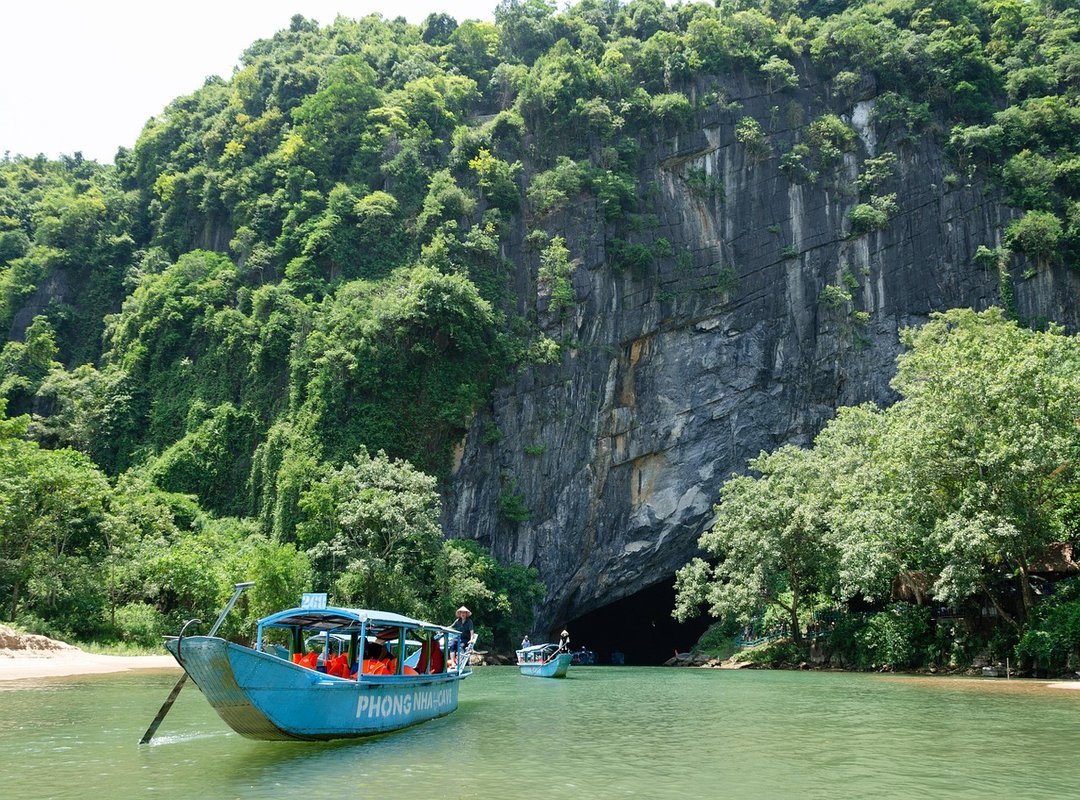
I stood inside Lerakuty Cave for the first time and didn’t think about the people who lived there. I thought about the rock.
This is karstification (water) dissolving limestone over 300,000 years. Not slowly. Relentlessly.
Acidic rainwater seeped through cracks, widened them, and carved out chambers like a slow knife through butter.
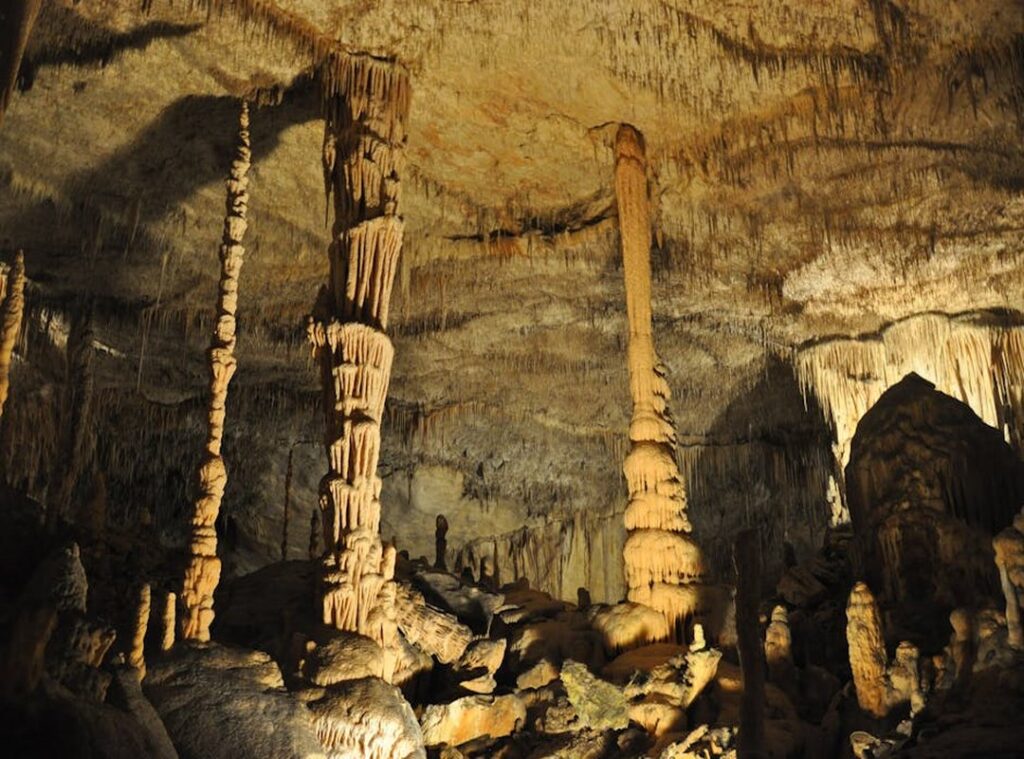
The cave isn’t just empty space. It’s lined with soda straws, helictites that twist sideways (no one knows why), and flowstones that look like frozen waterfalls. One chamber has a ceiling so dense with stalactites it feels like standing under a stone forest.
You’re wondering: How did bone survive here for 42,000 years?
Stable temperature. Constant humidity. Mineral-rich water that sealed pores in collagen before decay could start.
That same water is why the streams inside stay so pure (and) why Why Lerakuty Cave Water so Clear is such a weirdly specific question with a real answer.
Most caves dry out or flood. Lerakuty stays balanced. That balance preserved tools, teeth, even strands of hair.
Not just artifacts. Evidence.
Why Is the Lerakuty Cave Important? Because it’s not a time capsule we built. It’s one the earth made (slowly,) precisely, without asking permission.
I’ve seen labs try to replicate those conditions. They failed every time.
Geology didn’t just host history. It saved it.
Lerakuty Cave: Still Standing. Barely
It’s not a UNESCO site. It’s not even on most heritage maps.
I visited last spring. The entrance was roped off. A small sign said “research access only.” That’s the reality.
It’s not protected by law. Just by distance and indifference. (Which won’t hold up long.)
Why Is the Lerakuty Cave Important? Because it holds one of the clearest stratigraphic records for early Homo sapiens behavior in East Africa. Tools, ash layers, bone fragments.
All in sequence.
Rainwater seeps in. Roots crack the limestone. Tour groups ignore the ropes.
Researchers rush sampling to meet grant deadlines.
We’re losing context faster than we’re documenting it.
That’s why I think about it every time someone asks this post (How) can a lerakuty cave be challenged.
Preservation isn’t about locking it away. It’s about controlling what goes in (and) what gets recorded when it does.
Lerakuty Cave Is Not Just Rock
I stood inside it last year. Felt the chill. Smelled the damp earth.
Saw the handprints.
That cave is Why Is the Lerakuty Cave Important.
It’s not just old bones or pretty crystals. It’s a working archive. A frozen moment of fire, tool-making, and survival.
A place where geology and humanity bled together.
You think remote caves don’t matter? Try explaining that to the kid who finds their first flint chip there.
This isn’t about “heritage” in some dusty textbook sense. It’s about remembering who we were before cities, before writing, before almost everything you take for granted.
Caves like Lerakuty vanish fast. Vandalism. Neglect.
Bad policy.
So protect them. Visit responsibly. Donate to local preservation groups.
They’re the ones on the ground (right) now. Keeping the lights on.
Your ancestors left proof they were here. Don’t let us be the generation that lost it.
 Lead Forest Survival Specialist & Outdoor Educator
Timothy Peters is Whisper Forest Ways’ resident expert on wilderness survival and all things related to thriving in the outdoors. With a background in environmental sciences and over a decade of hands-on survival training, Timothy combines scientific knowledge with practical experience to teach readers essential survival skills, such as shelter building, fire making, and foraging. His approach emphasizes respect for the natural world and sustainability, ensuring that all of his methods encourage low-impact interaction with the environment. Whether you’re new to outdoor adventures or a seasoned explorer, Timothy’s detailed guides and insights provide invaluable knowledge for safely and confidently navigating the wild.
Lead Forest Survival Specialist & Outdoor Educator
Timothy Peters is Whisper Forest Ways’ resident expert on wilderness survival and all things related to thriving in the outdoors. With a background in environmental sciences and over a decade of hands-on survival training, Timothy combines scientific knowledge with practical experience to teach readers essential survival skills, such as shelter building, fire making, and foraging. His approach emphasizes respect for the natural world and sustainability, ensuring that all of his methods encourage low-impact interaction with the environment. Whether you’re new to outdoor adventures or a seasoned explorer, Timothy’s detailed guides and insights provide invaluable knowledge for safely and confidently navigating the wild.