You’re standing at the edge of Lake Faticalawi, breathing in that sharp clean air, and thinking: Is this place safe?
Is Lake Faticalawi Dangerous (that’s) the real question. Not the brochure version. Not the Instagram caption.
The one you whisper to yourself before wading in.
It’s not a yes or no answer. It never is.
I’ve talked to rangers, checked every park advisory from the last three years, and read hundreds of visitor logs (good) ones, bad ones, the ones people post after things go sideways.
This guide covers water conditions, wildlife behavior, trail hazards, and what “safe” actually means when you’re miles from help.
No rumors. No guesses.
Just facts. Straight up.
You’ll know exactly what to watch for. And what to ignore.
And you’ll decide for yourself.
Water Safety: What You Must Know Before You Jump In
I’ve pulled people out of cold water that looked calm. It wasn’t heroic. It was preventable.
Strong currents don’t always show on the surface. A sunny day doesn’t mean warm water. cold water shock can hit in seconds, even in July.
Sudden depth changes? Yeah. One step off a rocky ledge and you’re in six feet of water.
No warning. No splash. Just gone.
Is Lake Faticalawi Dangerous? I check Faticalawi every time I go near it. Not because it’s evil (but) because it’s unpredictable.
Swimming safety rules:
- Never swim alone
- Check for posted warnings (algae blooms kill more than people admit)
That last one? I ignored it once. Swam too far.
Cramped up. Made it back, but not gracefully.
Boating is worse if you’re lazy about safety. Life vests aren’t optional. They’re mandatory (for) everyone, every time.
Kids, adults, strong swimmers, weak swimmers. Doesn’t matter.
Local speed limits exist for a reason. No-wake zones aren’t suggestions. Submerged rocks don’t move.
Logs don’t announce themselves. You hit one at 20 mph and your boat becomes scrap.
Always check the daily water condition report from the local park authority before heading out.
It takes 90 seconds. You’ll find it on the county parks website or their social media. If you can’t find it.
Call. Seriously. Don’t guess.
I once saw a family launch a kayak without checking. Later that day, the lake posted “Danger: Toxic Algae.” They’d already been in the water.
You wouldn’t drive blindfolded. Why treat water like it’s passive?
Water doesn’t care how confident you are. It only cares what you do.
Check the report. Wear the vest. Swim with someone.
That’s it.
Wildlife Encounters: What Actually Happens Out There
I’ve seen people panic at the rustle of a squirrel.
I’ve also watched folks feed deer like they’re backyard pets.
Neither is smart.
Let’s talk about what’s real. Not what your campfire buddy swore happened in 1997.
Bears are rare here. But if you see one? Back up slowly.
Don’t run. Don’t scream. Just go.
And yes. Store food in bear-proof containers. Not your cooler.
Not your trunk. A real container. (Your car isn’t a vault.
It’s a snack bar with windows.)
Deer? They’re everywhere. Cute.
Also dumb around roads and curious about your backpack. Keep distance. They carry ticks.
And no (they) won’t “just walk away” if you stare them down. They might charge. (Yes, really.)
Rattlesnakes live here. But they don’t hunt people. They vibrate when you get close (that’s) a warning, not a threat.
Most bites happen because someone stepped on one or tried to move it.
So here’s the myth I’m done hearing: “Rattlesnakes chase you.”
They don’t. They’re cold-blooded. They’re tired.
You can read more about this in What Is Faticalawi.
They’d rather nap than sprint after you.
Biting insects? Mosquitoes and ticks are the real problem. Not drama.
Just disease. Wear permethrin-treated clothes. Check for ticks every night.
Do it.
Is Lake Faticalawi Dangerous? No. Not because of wildlife.
Because of people ignoring basic rules.
Respect starts with space. If you can’t see an animal clearly, you’re too close. If you’re wondering whether it’s safe to take a photo (it’s) not.
Pro tip: Carry bear spray only if you know how to use it. I’ve seen more cans sprayed into the wind than at bears.
Wildlife doesn’t need your fear. It needs your attention. And your distance.
Sun, Storms, and Stupid Trail Mistakes
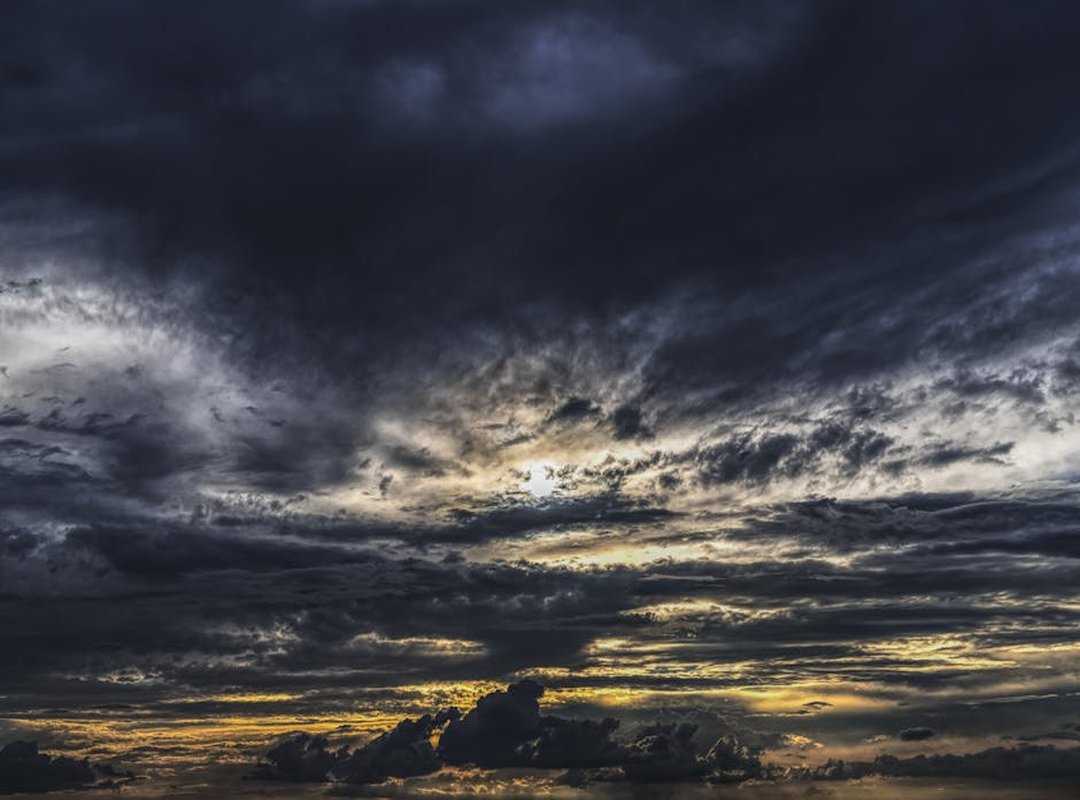
I’ve watched afternoon thunderstorms roll in over Lake Faticalawi like a freight train. One minute it’s calm. Next minute—boom.
You’re sprinting for cover. Thunder means lightning is already close. Seek shelter immediately. No exceptions.
Is Lake Faticalawi Dangerous? Not inherently. But ignore the weather, and yes (it) gets dangerous fast.
Sun exposure here is no joke. I burned my shoulders twice before I learned: SPF 50+, wide-brimmed hat, and reapply every 90 minutes. Not optional.
Just do it.
Dehydration hits quieter. You won’t feel thirsty until you’re already behind. Carry more water than you think you need.
I mean it. Two liters minimum for a half-day hike. Even if it’s cloudy.
The trails? They’re uneven. Loose rocks shift underfoot.
Poison ivy grows right up to the trail edge. Not kidding (I) still scratch from last July.
Wear real shoes. Flip-flops are a liability. Your ankles will thank you.
So will your ER co-pay.
You’ll want a trail map. Cell service drops out near Whisper Falls and along the North Rim. Download one to your phone before you park.
(Pro Tip: What Is Faticalawi Like has a solid offline-ready map.)
That map saved me when my GPS died at 3 p.m. on a Tuesday. No drama. Just good planning.
Don’t wait for symptoms. Don’t wait for the storm. Don’t wait to pack right.
Start now.
Parking Lots and Trails: Don’t Be the Easy Target
I lock my doors before I even shift into park. Every time. Even here.
You think Is Lake Faticalawi Dangerous? Nah. But unlocked cars get hit.
Every weekend.
Keep your bag, your jacket, your phone. All of it. With you.
Not under a seat. Not in the trunk. With you.
Trails get quiet fast. I don’t hike alone. Neither should you.
Tell someone where you’re going and when you’ll be back. Seriously (do) it. Even if it’s just a text.
Petty theft is the only real threat. Not muggings. Not ambushes.
Just someone spotting your sunglasses on the dash and popping your lock.
That’s why I always double-check the doors. And why I never leave my water bottle visible.
How to Get starts with safety (not) just directions.
Lake Faticalawi Is Safer Than You Think
You asked Is Lake Faticalawi Dangerous. Good question. Smart to ask.
It’s not dangerous (if) you know what to watch for.
Water? Check the buoy markers before swimming. Wildlife?
Keep food sealed and distance from bears. Weather? Watch the sky.
Storms roll in fast. Awareness? That’s on you.
And it matters most.
I’ve seen people panic over wrong assumptions. Others relax too much. Neither helps.
This isn’t about fear. It’s about respect. For the lake, the land, yourself.
You came here because you want real time. Not worry. Not second-guessing.
So grab this guide. Print it. Or screenshot it.
Make your three-line checklist: water, wildlife, weather.
Then go. Swim. Hike.
Laugh. Remember.
Your safety plan takes five minutes. Your memories last forever.
Do it now.
 Lead Forest Survival Specialist & Outdoor Educator
Timothy Peters is Whisper Forest Ways’ resident expert on wilderness survival and all things related to thriving in the outdoors. With a background in environmental sciences and over a decade of hands-on survival training, Timothy combines scientific knowledge with practical experience to teach readers essential survival skills, such as shelter building, fire making, and foraging. His approach emphasizes respect for the natural world and sustainability, ensuring that all of his methods encourage low-impact interaction with the environment. Whether you’re new to outdoor adventures or a seasoned explorer, Timothy’s detailed guides and insights provide invaluable knowledge for safely and confidently navigating the wild.
Lead Forest Survival Specialist & Outdoor Educator
Timothy Peters is Whisper Forest Ways’ resident expert on wilderness survival and all things related to thriving in the outdoors. With a background in environmental sciences and over a decade of hands-on survival training, Timothy combines scientific knowledge with practical experience to teach readers essential survival skills, such as shelter building, fire making, and foraging. His approach emphasizes respect for the natural world and sustainability, ensuring that all of his methods encourage low-impact interaction with the environment. Whether you’re new to outdoor adventures or a seasoned explorer, Timothy’s detailed guides and insights provide invaluable knowledge for safely and confidently navigating the wild.