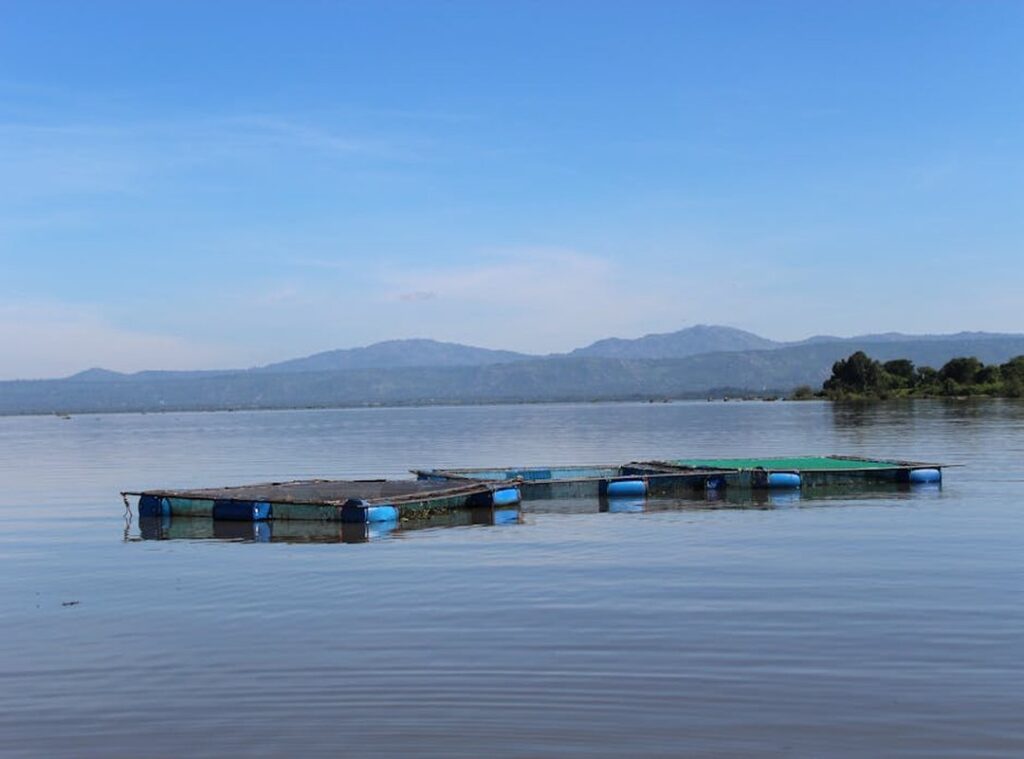
You’ve seen the photos. That glassy blue surface. The mist curling off the water at dawn.
But what you don’t see in those pictures is why locals won’t let outsiders fish certain coves. Or why elders still walk barefoot to the shore every full moon.
This isn’t just a lake.
It’s a living thing. And Why Is Lake Faticalawi Important cuts deeper than geography.
I spent six months there. Talked to fishermen, botanists, teachers, and tribal historians. Read old land records.
Sat through monsoon rains listening to stories no textbook mentions.
You’ll get three clear parts: how the lake holds the region’s ecology together, how it’s woven into identity and ritual, and how families depend on it for food, income, and survival.
No fluff. No guesswork. Just what people told me (and) what the water itself makes impossible to ignore.
Read this, and you’ll understand why draining even one inlet would break more than a map.
The Ecological Heartbeat: Why Lake Faticalawi Matters
I’ve stood on its north shore at dawn. Mist rising. Kingfishers diving.
That’s when it hits you (this) isn’t just water. It’s alive.
Faticalawi is a biodiversity hotspot. Not like one. It is one.
And it’s shrinking.
You know the Faticalawi shiner? That tiny silver fish with the black lateral stripe? It lives nowhere else.
Not even in the next watershed over. Then there’s the tricolored bittern. A wading bird so rare, most birders have never seen one in the wild.
It nests only in the lake’s cattail stands. Lose the lake, and you lose both species. Just like that.
Does that feel abstract? Try this: the lake cools the air 3 (5) degrees in summer. Filters runoff before it hits the aquifer.
Recharges groundwater for farms and towns downstream. Call it lungs, call it lifeblood (either) way, it breathes for us.
Microbes break down toxins. Dragonflies eat mosquitoes. Herons eat the dragonflies.
Migrating warblers stop here to rest before crossing the desert. Everything connects. Cut one thread, and the whole web trembles.
Why Is Lake Faticalawi Important? Because it’s not a backup plan. It’s the main event.
You think climate change is distant? Walk the southern edge this July. See the cracked mud where water used to lap.
That’s not drought. That’s warning.
I watched a bald eagle circle low last spring. Not hunting. Just… waiting.
For what? More fish? More time?
I don’t know.
But I do know this: if we treat the lake like scenery instead of system, we’re not just losing a place. We’re unspooling decades of balance in real time.
Fixing it starts with seeing it clearly. Not as “nature”. But as infrastructure.
As home. As non-negotiable.
The data’s public. The maps are updated monthly. You can check them yourself.
The Lake Isn’t Just Water (It’s) Memory
I grew up walking the south shore of Lake Faticalawi. Not as a tourist. Not for photos.
As someone who knew where the water got quiet at dawn and where the elders still leave tobacco bundles on smooth stones.
This lake isn’t a geographic feature first. It’s a living archive.
Why Is Lake Faticalawi Important? Because it’s where the story of the people begins (not) in textbooks, but in breath, in song, in the way a grandmother hums while braiding hair at the water’s edge.
One legend says the lake formed when Sky-Weeper cried for seven days straight after her twin drowned trying to cross the old ice. Her tears pooled, froze, then thawed into something warm and deep. Another says the lake bottom holds the first drum (buried) there so no one could silence it.
People still gather at solstice. Teens wade in at sunrise for their naming ceremony. Fishermen don’t cast nets without saying the three names of the water-spirits.
That’s not ritual. That’s grammar. That’s how you speak properly to the world.
The lake shaped our art before we had words for “inspiration.” Flute melodies mimic its wind ripples. Quilts map its coves. Even the local radio station opens every broadcast with a 12-second recording of waves hitting reeds.
An elder named Leta told me once:
“If you drain the lake, you don’t just lose water. You lose the voice that taught us how to ask for rain.”
That hit hard. (And yes. I checked.
She said it exactly like that.)
You don’t need data to feel this truth. You just need to sit by the shore at dusk and listen.
The lake doesn’t care about your GPS coordinates. It cares whether you remember its name. It cares whether you pass it on.
Lake Faticalawi: Not Just Water (It’s) Paycheck, Plate
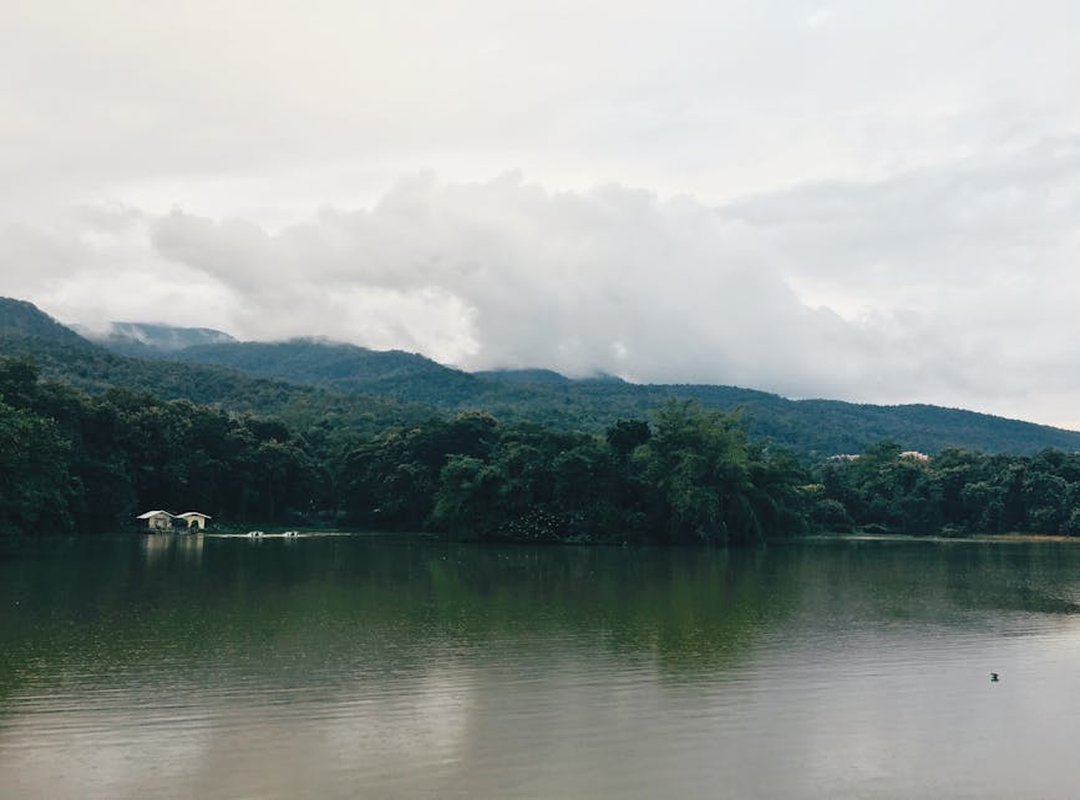
I’ve stood on its banks at dawn. Nets are already in the water. Rice paddies shimmer just beyond the reeds.
This isn’t scenery. It’s how people eat.
Fishing here isn’t abstract. It’s Nile perch and tilapia hauled in by hand. It’s smoked fish sold at the roadside stall in Kijaro.
I go into much more detail on this in this resource.
One catch feeds three families (sometimes) more.
Agriculture leans hard on this lake too. Rice, maize, and cassava get irrigated from its channels. Not with pumps and pipes (mostly) with gravity-fed ditches dug by neighbors helping neighbors.
(Yes, it’s low-tech. Yes, it works.)
Over 12,000 people rely directly on fishing or farming tied to Lake Faticalawi. That’s not a statistic. That’s your cousin’s school fees.
That’s medicine for your aunt. That’s why “resource” feels cold. It’s a provider (and) providers need care.
Why Is Lake Faticalawi Important? Because when the water level drops, the rice fails. When the fish vanish, the clinics run short on supplies.
It’s that direct.
Eco-tourism could help (but) only if it’s built with locals, not for outsiders. Think guided bird walks, not luxury resorts. Real income.
Real stewardship.
Getting there matters. If you’re serious about understanding what’s at stake, How to Get to Lake Faticalawi starts with showing up respectfully.
You don’t manage a provider like a spreadsheet. You listen. You adapt.
You protect first.
That’s non-negotiable.
Lake Faticalawi Is Drowning in Slow Motion
I’ve stood on its north shore at sunrise. The water used to shimmer like broken glass. Now it’s often dull.
Murky.
Pollution from farm runoff is the first punch. Fertilizers and pesticides wash in every rain. Algae blooms follow.
Fish gasp. You’ve seen those photos. Green scum, dead frogs, silence where birds used to call.
Climate change is the second. Water levels swing like a drunk pendulum. One year it’s knee-deep mudflats.
Next year it’s flooding cabins. That instability kills nesting grounds. And reeds.
And trust.
Overfishing? Yeah. It’s happening.
Not with nets. But with permits that ignore breeding cycles. We’re taking more than the lake can replace.
This isn’t doomscrolling. It’s data.
You want real action? Start with what’s possible. What can you do at lake faticalawi isn’t a brochure. It’s a checklist.
If you’re asking Why Is Lake Faticalawi Important, look at what’s still alive there (not) just what’s vanishing.
And it starts with showing up.
Lake Faticalawi Isn’t Waiting
I’ve seen what happens when people look away.
This isn’t just water. It’s the fish spawning grounds. The elders’ stories.
The kids learning to paddle where their grandparents did.
Why Is Lake Faticalawi Important? Because it’s already slipping. Not slowly.
Not slowly. Right now.
You know that hollow feeling when something real gets erased? That’s what’s coming.
It’s not about saving a place on a map. It’s about keeping breath in the land. And in the people who belong to it.
So do one thing today. Just one.
Find a local group protecting the lake. Donate five dollars. Post a photo with truth in the caption.
Skip the souvenir shop and talk to a guide who lives there.
Someone has to draw the line.
That someone is you.
Act now (before) the next dry season hits.
 Lead Forest Survival Specialist & Outdoor Educator
Timothy Peters is Whisper Forest Ways’ resident expert on wilderness survival and all things related to thriving in the outdoors. With a background in environmental sciences and over a decade of hands-on survival training, Timothy combines scientific knowledge with practical experience to teach readers essential survival skills, such as shelter building, fire making, and foraging. His approach emphasizes respect for the natural world and sustainability, ensuring that all of his methods encourage low-impact interaction with the environment. Whether you’re new to outdoor adventures or a seasoned explorer, Timothy’s detailed guides and insights provide invaluable knowledge for safely and confidently navigating the wild.
Lead Forest Survival Specialist & Outdoor Educator
Timothy Peters is Whisper Forest Ways’ resident expert on wilderness survival and all things related to thriving in the outdoors. With a background in environmental sciences and over a decade of hands-on survival training, Timothy combines scientific knowledge with practical experience to teach readers essential survival skills, such as shelter building, fire making, and foraging. His approach emphasizes respect for the natural world and sustainability, ensuring that all of his methods encourage low-impact interaction with the environment. Whether you’re new to outdoor adventures or a seasoned explorer, Timothy’s detailed guides and insights provide invaluable knowledge for safely and confidently navigating the wild.