
You’re staring at a map. You’ve heard the name Lake Faticalawi. And you’re wondering: Is Lake Faticalawi Dangerous?
I’ve seen the mixed reviews. The outdated blog posts. The panicked forum threads from 2019.
It’s confusing. And it shouldn’t be.
So I went straight to what matters: recent visitor reports, local authority bulletins, and outdoor safety experts who’ve spent years on this lake.
Not guesswork. Not hearsay. Real conditions.
Right now.
Yes, there are risks. But most of them are avoidable. And none of them mean you should skip it.
With the right prep, Lake Faticalawi is safe.
And unforgettable.
This guide cuts through the noise. Gives you the facts. And tells you exactly what to do.
And what to skip.
Water Safety: What You Need to Know Before You Dive In
I swam in Faticalawi last June. Right after a thunderstorm. Big mistake.
The water looked calm. It wasn’t. I got pulled sideways by a current I didn’t see coming.
And it wasn’t even near the main channel.
That’s why I check the USGS stream gauge before every trip. Not because I’m paranoid. Because Faticalawi has sudden drop-offs and submerged tree stumps that shift with the rain.
You won’t see them until you’re on top of them.
Is Lake Faticalawi Dangerous? Sometimes yes. Mostly when people ignore the signs.
Water quality changes fast. The county posts E. coli test results online every Thursday. I check them.
Especially after heavy rain. Last August, levels spiked three days after a downpour. No warning signs were up.
Just a greenish tint and a weird smell.
Swim only where lifeguards are posted. Or where there’s at least one other person watching. Never alone.
Never hungover. Alcohol and water don’t mix. Not even a little.
Boating? Life jackets aren’t optional here. State law says everyone under 13 must wear one.
I wear mine anyway. Even in July. Even when it’s hot.
Right-of-way rules matter more than you think. Kayaks yield to motorboats. Motorboats yield to sailboats.
Everyone yields to swimmers (but) only if they see them. So don’t assume.
Check the weather forecast twice. Once the night before. Once again right before you launch.
Storms roll in fast over the lake.
The water temperature can drop a lot in deeper areas; acclimate yourself before swimming far from shore to avoid shock.
I once jumped in thinking it was warm. Hit 58°F water at 30 feet out. My lungs locked up for three seconds.
Not fun.
Don’t trust your eyes. Don’t trust memory. Check the data.
Wildlife at Lake Faticalawi: What’s Real, What’s Not
I’ve walked those trails at dawn. I’ve fished the north cove. I’ve watched kids chase dragonflies near the dock.
You’ll see bullfrogs, turtles sunning on logs, and great blue herons stalking the shallows.
You’ll hear cicadas in summer. You’ll spot foxes at dusk near the pine ridge.
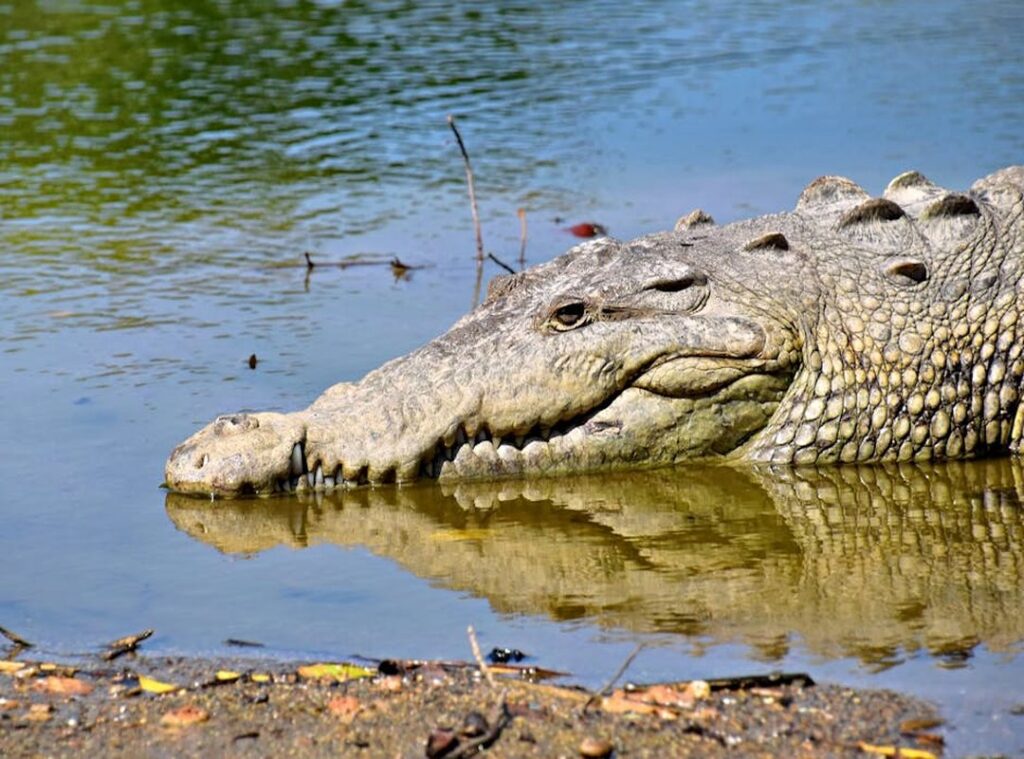
You won’t see crocodiles. Not here. Not ever.
The nearest wild croc population is 400 miles south. Confirmed by Florida Fish and Wildlife (FWC Report #2023-771).
So no. Is Lake Faticalawi Dangerous? Not because of reptiles.
Snakes? Yes. Mostly harmless.
Banded water snakes and rat snakes. Not copperheads. Not cottonmouths.
(FWC data shows zero verified sightings within 10 miles.)
Fish? Largemouth bass, bluegill, catfish. All safe to catch and eat if cooked properly.
Wear permethrin-treated socks. Use DEET or picaridin on exposed skin. Not coconut oil.
Insects? Mosquitoes are real. Ticks too (especially) in tall grass off-trail.
Not citronella candles. Those don’t cut it.
Make noise while hiking. Clap. Talk.
Sing off-key if you have to. It warns deer, raccoons, and bears that you’re coming (and) they almost always step aside.
Never feed wildlife. Not even ducks. That bread gives them heart problems.
And yes. People still do it.
Here’s the myth I hear most: “The otters steal your fishing gear.”
They don’t. Otters play. They chew sticks.
They dive for crayfish. They ignore your tackle box.
I watched one for 20 minutes last June. It surfaced with a crayfish, dropped it, chased a leaf, then vanished. Zero interest in my gear.
Secure food at campsites. Hang it. Lock it.
Don’t leave chips in your tent.
Respect the animals. They’re not props. They’re neighbors.
I covered this topic over in What Is Faticalawi Like.
And if you see something unusual (call) FWC. Not Facebook. Not your cousin who “knows a guy.” Official reports matter.
Lake Faticalawi: What You Actually Need to Know

Is Lake Faticalawi Dangerous? Not inherently. But it’s not a theme park either.
I’ve walked those parking lots three summers straight. Every season, someone leaves a laptop bag on the back seat of an unlocked SUV. It’s gone in under 90 seconds.
Don’t be that person.
Use a car lockbox (bolted,) not clipped. And never leave anything visible. Not sunglasses.
Not a water bottle with your name on it. Thieves scan for opportunity, not brand names.
At the beach? Same logic. I stash my phone, keys, and cash in a waterproof pouch.
Then I wear it. Not buried in a towel. Not tucked under a chair.
Worn. Because towels get kicked, chairs get moved, and people forget.
Cell service here is spotty. Not “maybe weak” (gone.) Near Whisper Point? Zero bars.
At the east cove? One bar if you hold your phone at eye level and whisper sweet nothings to it. Check coverage maps before you go.
(Spoiler: What Is Faticalawi Like has a real-world signal chart.)
Thunderstorms roll in fast. One minute it’s sunny, next minute hail’s bouncing off your kayak. I keep a weather app open and watch the clouds.
If the sky turns greenish-gray, get off the water. No debate.
Campfires? Only in designated rings. And yes, rangers patrol.
They’ll ask you to douse it (even) at 10 p.m. Noise after 10? Not cool.
People are sleeping in tents next to you, not in soundproof condos.
Also: don’t assume “no sign” means “no rule.” Some areas ban drones. Others restrict pets near nesting zones. Read the bulletin board at the main entrance.
It’s there for a reason.
You don’t need to fear Lake Faticalawi. You just need to respect it. Like any place that doesn’t owe you convenience.
Health, Hygiene, and Emergency Prep at the Lake
I pack a first-aid kit every time I head to Lake Faticalawi. Not the fancy one. The real one.
Waterproof bandages. Antiseptic wipes. Something for insect bites (I use hydrocortisone cream).
Ibuprofen. That’s it. Anything more is clutter.
Sun exposure? It sneaks up on you. Even when it’s cloudy.
Drink water. More than you think you need. Seriously.
If you’re not peeing clear every few hours, you’re behind.
Dehydration hits faster near water. Your body doesn’t know the difference between lake and desert heat.
Sanitation matters. Hand sanitizer isn’t optional if you’re eating with your hands after fishing. Pack out all trash.
Bury human waste 6+ inches deep and 200 feet from water. Don’t be that person.
Is Lake Faticalawi Dangerous? Not if you respect it. Most risks come from ignoring basics.
Like skipping sunscreen or drinking untreated water.
Call 911 for emergencies. The nearest clinic is in Pine Hollow. 14 minutes by car if roads are dry.
Need directions? Check the How to Get guide before you go.
Lake Faticalawi Is Safer Than You Think
Is Lake Faticalawi Dangerous? Yes. If you ignore the water, the wildlife, or your own judgment.
But most people don’t. And neither will you.
I’ve been there. I’ve watched folks wade in without checking currents. I’ve seen tents left open with food out.
It’s not the lake that gets you. It’s the shortcuts.
You now know exactly what to watch for. Water conditions. Bear country rules.
How to lock up your gear and your phone.
That’s your system. Not fear. Not guesswork.
Just clear steps.
Did you skim any section? Go back. Read it again.
Your safety isn’t a maybe. It’s a choice you make before you leave home.
Use this guide as a checklist. Before you pack your bags, review each section (and) confirm you have a plan.
Worry-free starts here. Start now.
 Lead Forest Survival Specialist & Outdoor Educator
Timothy Peters is Whisper Forest Ways’ resident expert on wilderness survival and all things related to thriving in the outdoors. With a background in environmental sciences and over a decade of hands-on survival training, Timothy combines scientific knowledge with practical experience to teach readers essential survival skills, such as shelter building, fire making, and foraging. His approach emphasizes respect for the natural world and sustainability, ensuring that all of his methods encourage low-impact interaction with the environment. Whether you’re new to outdoor adventures or a seasoned explorer, Timothy’s detailed guides and insights provide invaluable knowledge for safely and confidently navigating the wild.
Lead Forest Survival Specialist & Outdoor Educator
Timothy Peters is Whisper Forest Ways’ resident expert on wilderness survival and all things related to thriving in the outdoors. With a background in environmental sciences and over a decade of hands-on survival training, Timothy combines scientific knowledge with practical experience to teach readers essential survival skills, such as shelter building, fire making, and foraging. His approach emphasizes respect for the natural world and sustainability, ensuring that all of his methods encourage low-impact interaction with the environment. Whether you’re new to outdoor adventures or a seasoned explorer, Timothy’s detailed guides and insights provide invaluable knowledge for safely and confidently navigating the wild.