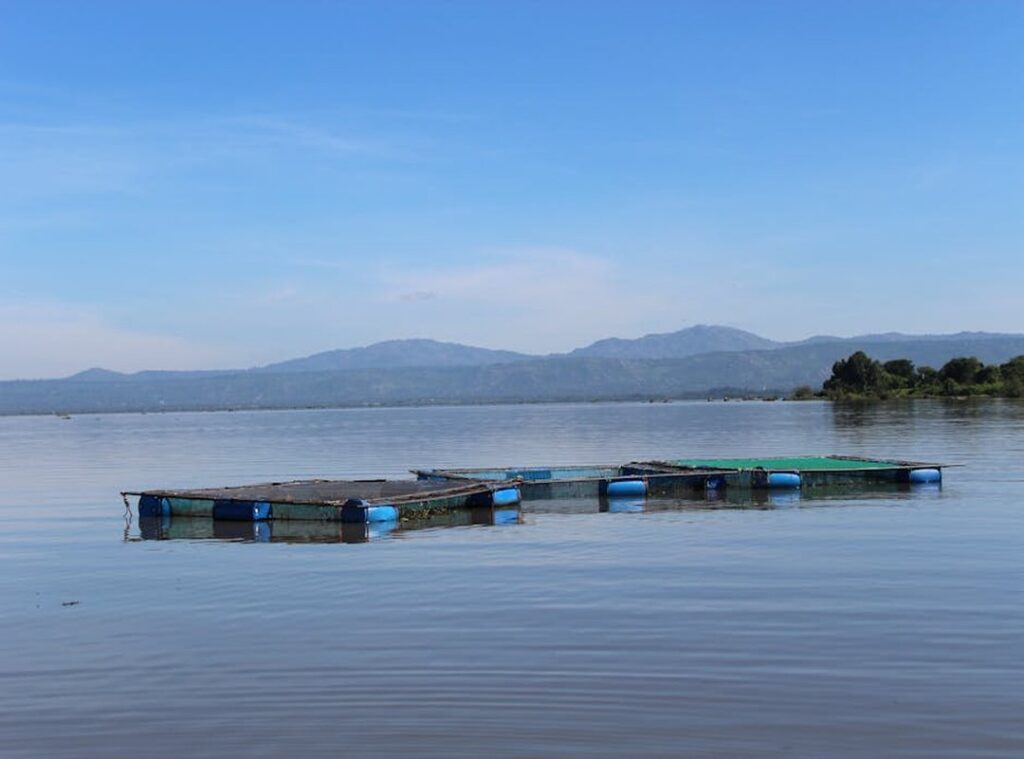
You’ve seen the photos. Flat water. Blue sky.
A few reeds at the edge.
That’s not Lake Faticalawi.
I stood there last spring, barefoot in the mud, listening to kids shout across the shallows. The wind smelled like wet clay and fish scales. You don’t get that from a satellite image.
This isn’t just a lake. It’s where people draw water, where elders tell stories, where crops live or die.
So why does Why Is Lake Faticalawi Important keep showing up in search bars? Because something feels off. Because maps don’t explain why the town shrinks when the water drops.
I spent six months talking to fishermen, checking rainfall records, reading land deeds from the 1920s.
Not one source tells the full story. But together? They do.
You’ll get the real picture. No fluff, no guesswork. Just what the lake does, every day, for the people who depend on it.
The Ecological Heartbeat: Why Lake Faticalawi Matters
I stood on the north shore at dawn last October. Mist hung low. A great blue heron lifted off (wings) slow, deliberate (right) where the reeds meet open water.
That’s when it hit me: this isn’t just a lake. It’s Faticalawi.
Faticalawi is home to the Faticalawi darter. A fish found nowhere else on Earth. Its gills are adapted to the lake’s slightly alkaline water.
You won’t find it in textbooks. You’ll only see it here, darting under limestone ledges.
The lake feeds three springs that recharge the aquifer beneath Blackridge Valley. Without it, wells dry up by July. Farmers know this.
They don’t need reports. They watch their pumps sputter.
Migratory birds stop here. Not just “some” birds. Sandhill cranes.
Pectoral sandpipers. Over 87 species rely on this stretch of water during spring and fall. One biologist told me: “If Faticalawi goes quiet, the whole flyway stutters.”
It formed 12,000 years ago (not) from a glacier, but from a collapsed sinkhole. That’s why its bottom is uneven. Why its water stays cool even in August.
Why the cattails grow taller than anywhere else in the county.
People call it the region’s kidney. I think that’s weak. Kidneys filter.
This lake breathes. It cools the air. It holds moisture.
It keeps the forest from turning brittle.
Why Is Lake Faticalawi Important? Because when you drain it, you don’t just lose water. You lose the darter, the cranes, the springs, the forest’s humidity, the farmers’ yields.
I’ve seen what happens downstream when the inflow drops below 4 cubic meters per second. The willows thin out. The frogs go silent.
The soil cracks.
Don’t wait for a crisis to notice.
Lake Faticalawi Is Not Just Water
I grew up walking its shore at dawn. My grandfather said the lake breathes (slow) in winter, restless in spring.
One legend says the lake formed when a woman wept for seven days straight after her children vanished into the mist. The tears pooled. They never dried.
(Some elders still leave small clay bowls of water at the north cove.)
Another story tells of the Stone Canoe (a) vessel carved from black basalt that floated without paddles. It carried the first council across to found the village on the eastern ridge. No one’s seen it in 200 years.
But kids still toss pebbles in and whisper names.
Every August, the Water Blessing happens. Families gather reeds, braid them into rings, and float them with lit candles. It’s not about prayer.
It’s about remembering who lived here before roads. Who fished with bone hooks. Who mapped stars by its surface.
The lake shaped everything. Early traders avoided the northern cliffs and hugged its southern edge (safer,) flatter, fed by clean springs. A treaty was signed on its largest island in 1843.
That island has no name on any map. Locals call it Ketawin, meaning “where words took root.”
Why Is Lake Faticalawi Important? Because it’s not a feature on a map. It’s the grammar of local speech.
You don’t own it. You belong to it.
The rhythm in lullabies. The silence between questions elders ask you.
I’ve watched developers draw lines around it. “recreational zone,” “conservation buffer” (like) they’re naming a grocery aisle. (Spoiler: those lines mean nothing when the lake floods.)
This isn’t nostalgia. It’s continuity. The same water flows through my veins and the lake’s bedrock.
You can measure depth with sonar. You can’t measure memory that way.
The Lake Feeds Us: Not Just Fish, But Everything
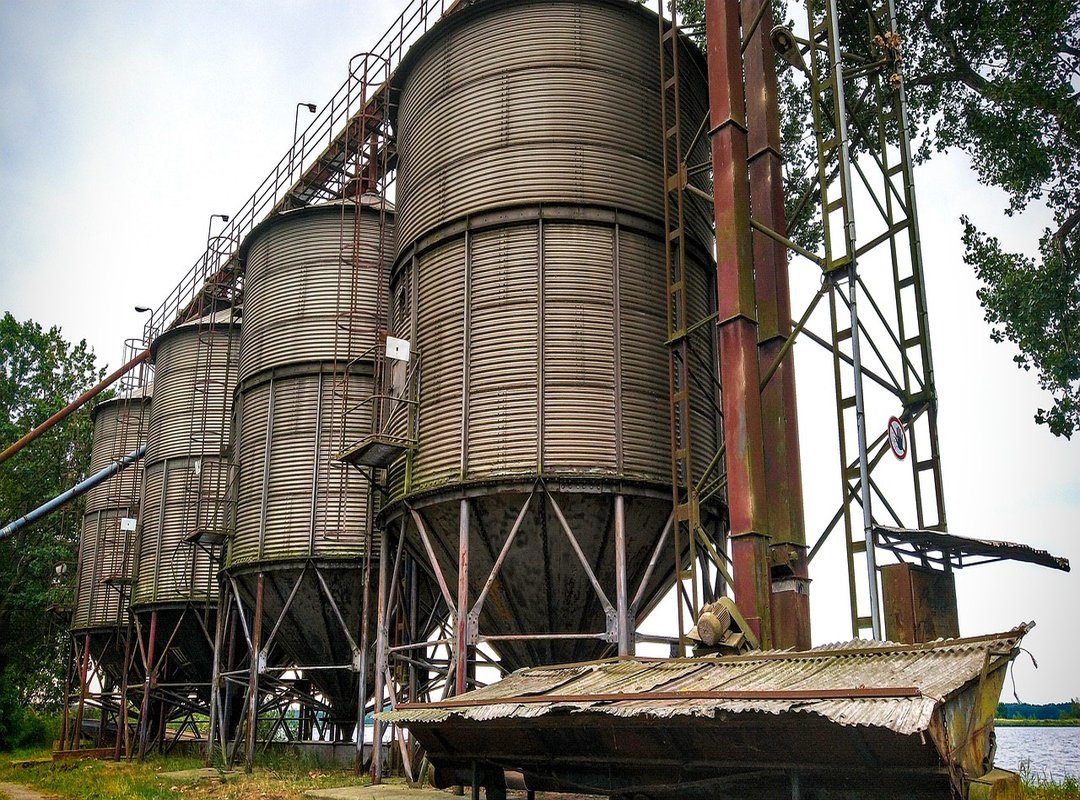
I’ve watched families pull nets at dawn for twenty years. This isn’t tourism theater. It’s real work.
Real food. Real income.
Most people here fish to eat. Subsistence fishing. No boats with GPS.
Just canoes, hand lines, and knowledge passed down. Some sell extra catch at the roadside stand. That’s small-scale commercial.
It keeps the kids in school. It pays for medicine.
The lake waters the fields too. Rice. Sorghum.
Okra. All grown in low-lying plots fed by gravity-fed canals. No pumps.
No diesel. Just careful channeling. Same system my grandfather used.
Eco-tourism? Yes, but only if it stays small. Bird watching.
Yes, especially during migration. Cultural tours. Only with families who choose to host.
No resorts. No jet skis. No “authentic experience” packaging.
Here’s Amina’s family: three generations living on the north shore. Her father fishes. Her mother dries and sells tilapia.
Her brother farms sorghum with lake water. When the lake level drops, all three jobs shrink. Fast.
Why Is Lake Faticalawi Important? Because when it’s healthy, people eat. When it’s sick, people leave.
Getting there matters (not) just for visitors, but for how they arrive.
this post tells you which trails avoid erosion zones and which roads skip the fragile reed beds.
Tourists should walk in. Not drive through. Not fly over.
That’s not idealism. It’s maintenance.
You wouldn’t pave a hospital floor with gravel.
So why treat a lifeline like a backdrop?
A Fragile Future: Runoff, Plastic, and Real Hope
Lake Faticalawi is dying. Not slowly. Not slowly.
Right now.
Agricultural runoff pours in every spring (fertilizers,) pesticides, silt. It chokes the weeds that feed the fish. It clouds the water where kids used to dive for crayfish.
(Yeah, they still do. But less often.)
Plastic isn’t just floating. It’s breaking down. Microplastics are in the sediment.
In the perch. In the ducks that nest along the north shore.
And the water level? It swings like a drunk pendulum. Droughts bake the reeds.
Floods drown the turtle nests. Climate change isn’t theoretical here. It’s measurable.
It’s happening.
So why bother? Because this lake isn’t just water and mud.
It’s the reason the Whisper Forest Ways festival happens every August. It’s the source of the fish that feed three villages. It’s the place elders still teach names for every plant on its banks.
Local folks started the Faticalawi Watch Patrol last year. They test pH weekly. Pull trash every Saturday.
That’s why Why Is Lake Faticalawi Important isn’t a question (it’s) a litmus test. If you can’t answer it, you’re not paying attention.
Plant native rushes along eroded edges.
The state stepped in too. Banning phosphates in detergents upstream. Small move.
Big difference.
NGOs aren’t just writing reports. They’re training high schoolers to monitor macroinvertebrates. Real data.
Real impact.
None of this fixes everything. But it stops the slide.
You don’t have to lead a patrol to help. You just have to show up.
What Can You Do at Lake Faticalawi
Lake Faticalawi Doesn’t Wait
I’ve shown you why it matters. It’s home to rare birds and clean water. It holds stories older than your grandparents.
It puts food on local tables and fuel in boats.
None of that is guaranteed.
This lake is thin ice. One bad decision. One ignored warning.
One spill. And it slips away.
You already know Why Is Lake Faticalawi Important. That knowledge isn’t passive. It’s a match.
You light it (or) you don’t.
So do something real today. Give $5 to a group patrolling the shoreline. Skip the motorboat.
Rent a paddleboard instead. Tell one person (just) one. What this place really is.
Not later. Not when it’s “convenient.”
Now. While the water’s still clear.
While the herons still nest. While it’s still yours to protect.
 Lead Forest Survival Specialist & Outdoor Educator
Timothy Peters is Whisper Forest Ways’ resident expert on wilderness survival and all things related to thriving in the outdoors. With a background in environmental sciences and over a decade of hands-on survival training, Timothy combines scientific knowledge with practical experience to teach readers essential survival skills, such as shelter building, fire making, and foraging. His approach emphasizes respect for the natural world and sustainability, ensuring that all of his methods encourage low-impact interaction with the environment. Whether you’re new to outdoor adventures or a seasoned explorer, Timothy’s detailed guides and insights provide invaluable knowledge for safely and confidently navigating the wild.
Lead Forest Survival Specialist & Outdoor Educator
Timothy Peters is Whisper Forest Ways’ resident expert on wilderness survival and all things related to thriving in the outdoors. With a background in environmental sciences and over a decade of hands-on survival training, Timothy combines scientific knowledge with practical experience to teach readers essential survival skills, such as shelter building, fire making, and foraging. His approach emphasizes respect for the natural world and sustainability, ensuring that all of his methods encourage low-impact interaction with the environment. Whether you’re new to outdoor adventures or a seasoned explorer, Timothy’s detailed guides and insights provide invaluable knowledge for safely and confidently navigating the wild.